

Findings
Danforth Buttons
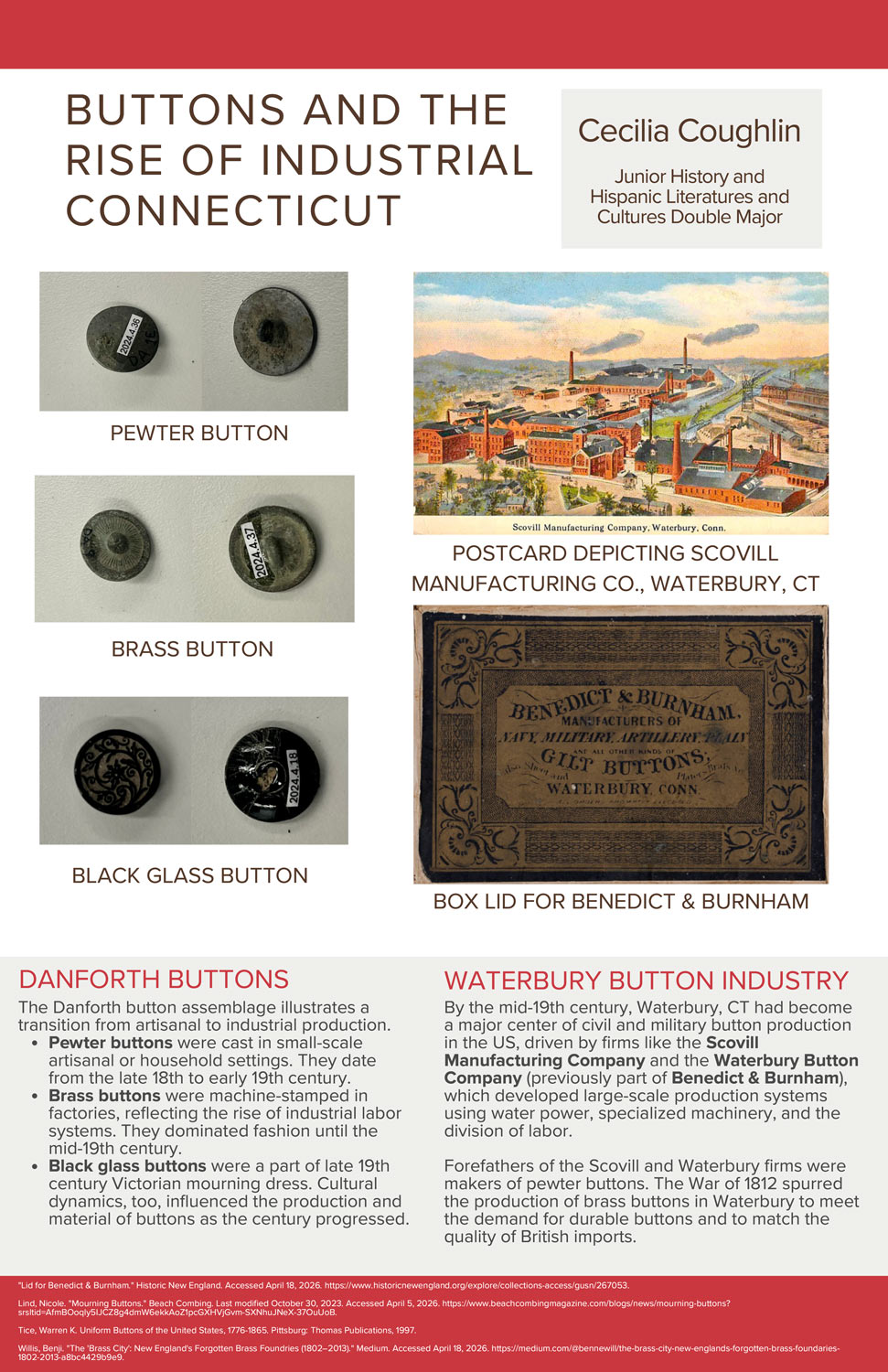
The Danforth button assemblage illustrates a transition from artisanal to industrial production.
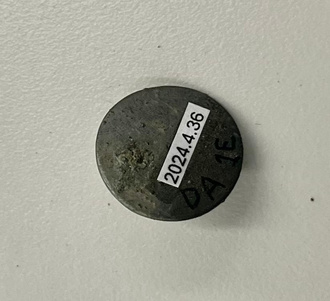
- Pewter buttons were cast in small-scale artisanal or household settings. They date from the late 18th to early 19th century.
- Brass buttons were machine-stamped in factories, reflecting the rise of industrial labor systems. They dominated fashion until the mid-19th century.
- Black glass buttons were a part of late 19th century Victorian mourning dress. Cultural dynamics, too, influenced the production and material of buttons as the century progressed.
Waterbury Button Industry
By the mid-19th century, Waterbury, CT had become a major center of civil and military button production in the US, driven by firms like the Scovill Manufacturing Company and the Waterbury Button Company (previously part of Benedict & Burnham), which developed large-scale production systems using water power, specialized machinery, and the division of labor.
Forefathers of the Scovill and Waterbury firms were makers of pewter buttons. The War of 1812 spurred the production of brass buttons in Waterbury to meet the demand for durable buttons and to match the quality of British imports.
“This course offered a very special and rare opportunity to have historical and archaeological methods present in the same classroom. I learned skills in both the process of cataloguing and the process of identification of material culture, while also getting to zoom in on an object of particular interest to me for my final research project.”
Project Gallery
Pewter Button
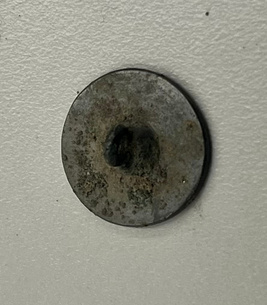
Pewter Button
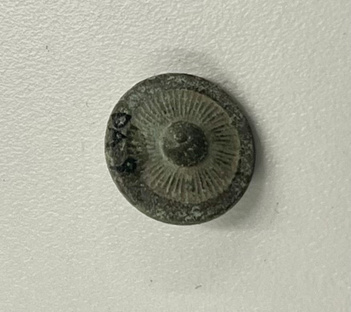
Brass Button
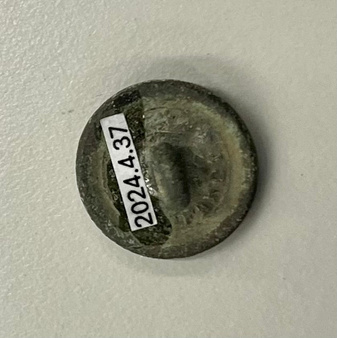
Brass Button
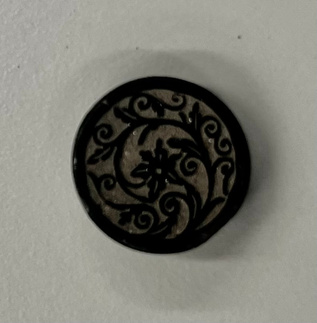
Black Glass Button
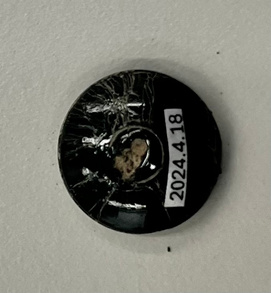
Black Glass Button
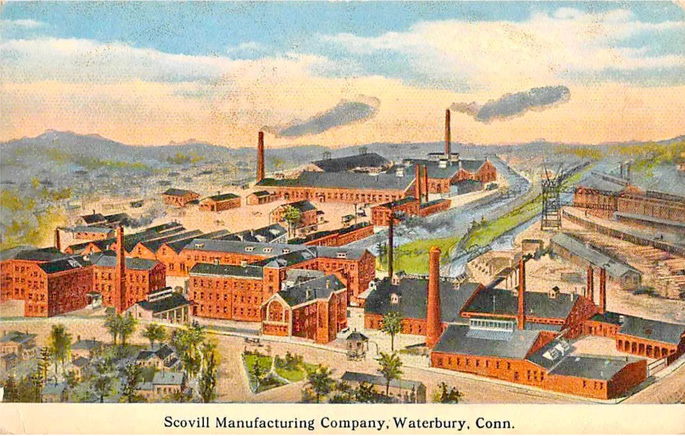
Postcard Depicting Scovill Manufacturing Co., Waterbury, CT
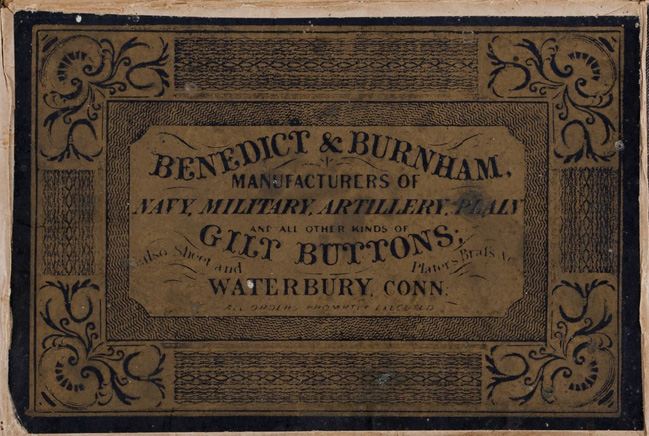
Box Lid for Benedict & Burnham