Description
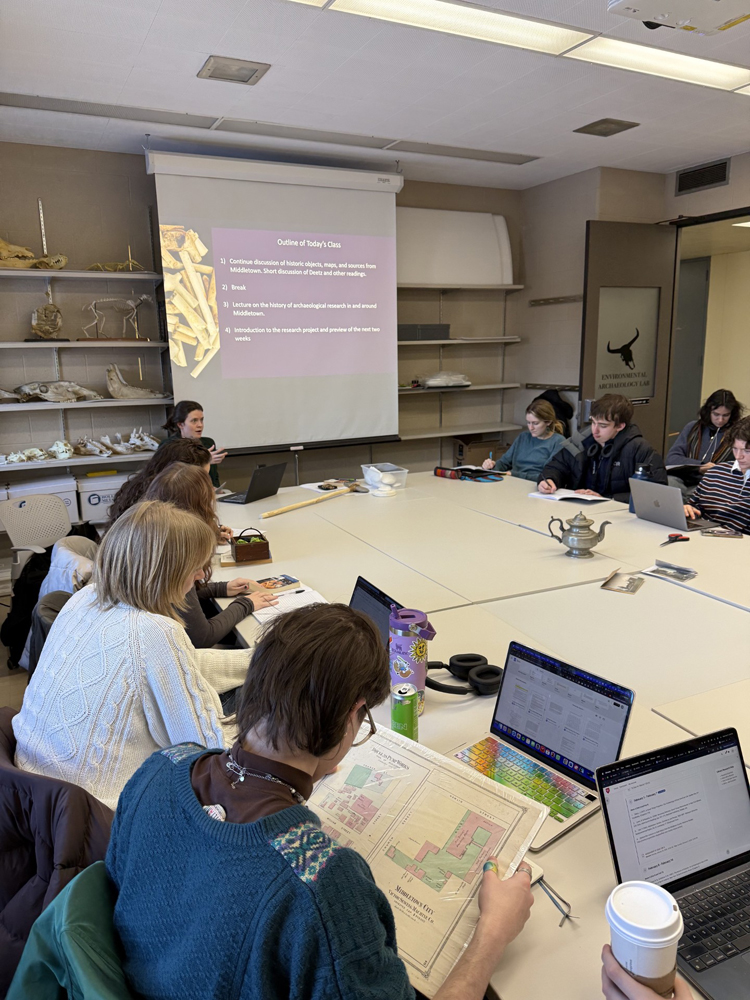
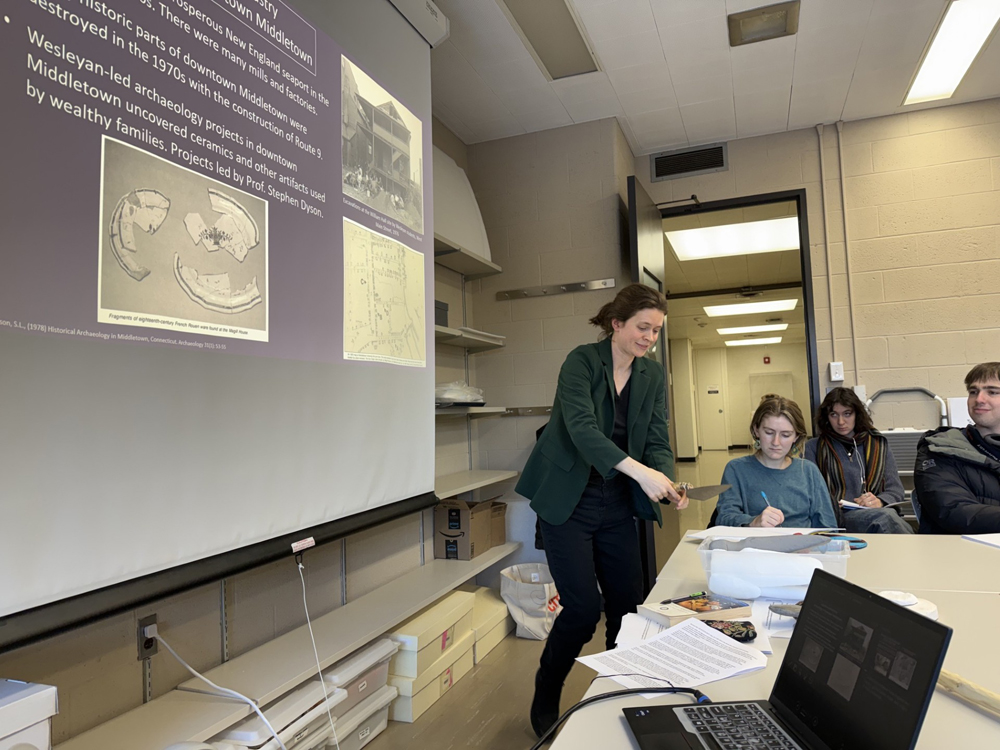
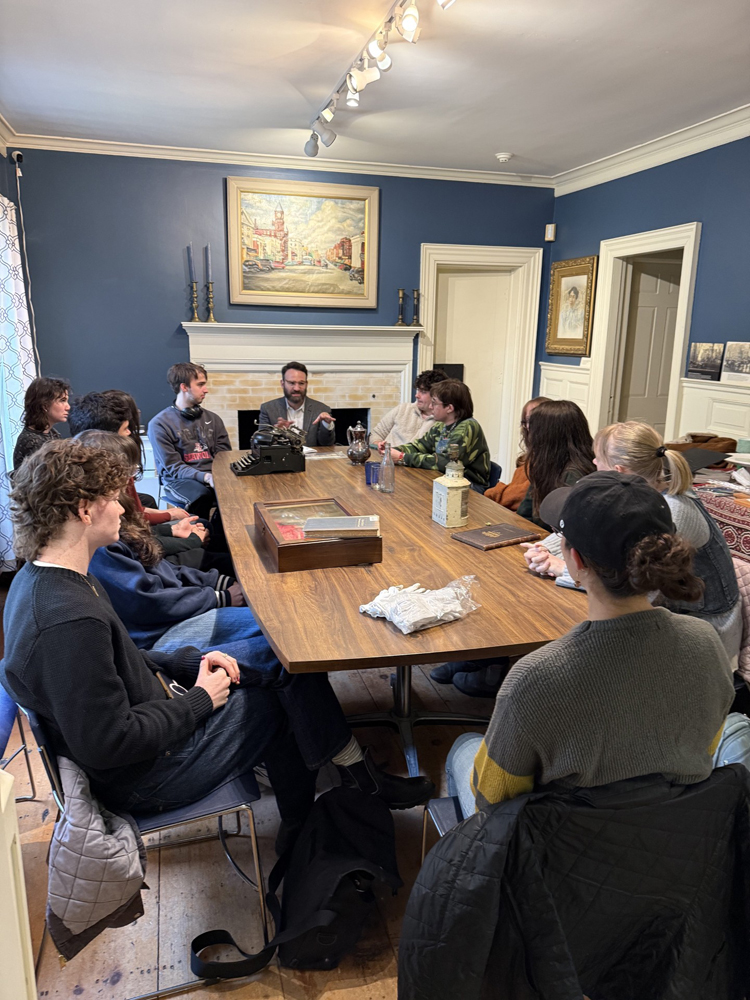
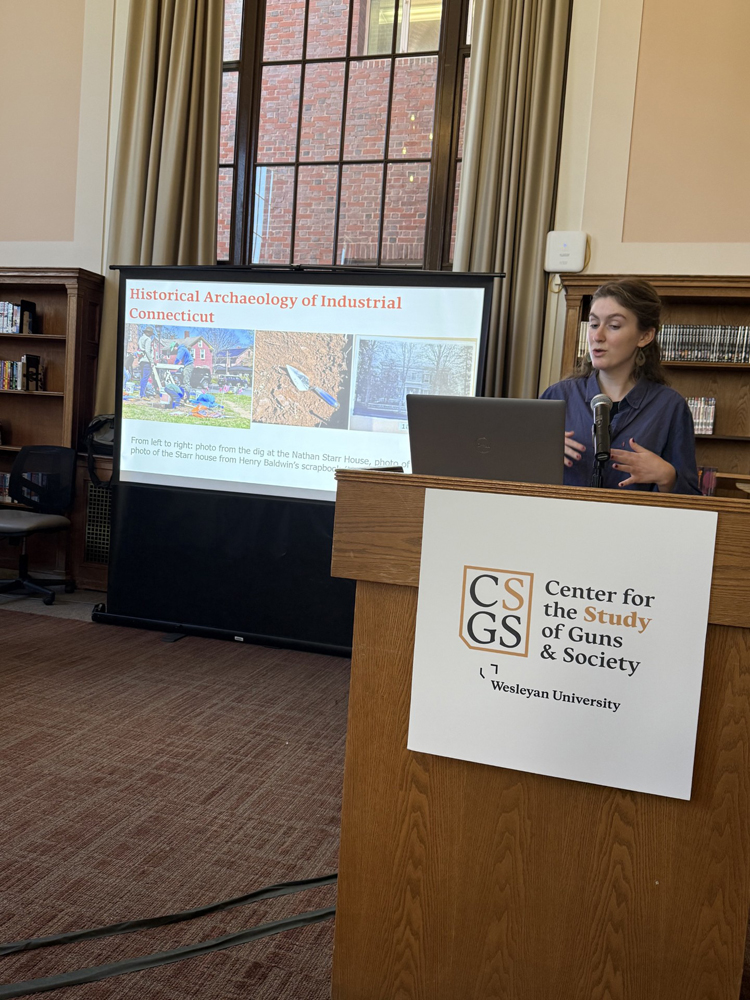
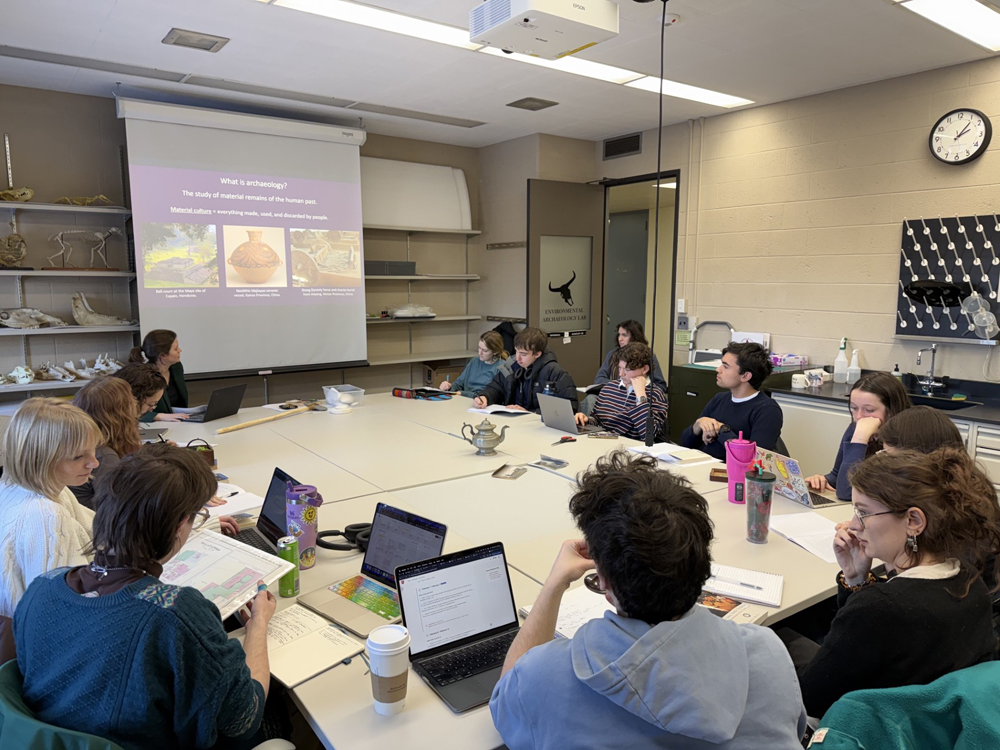
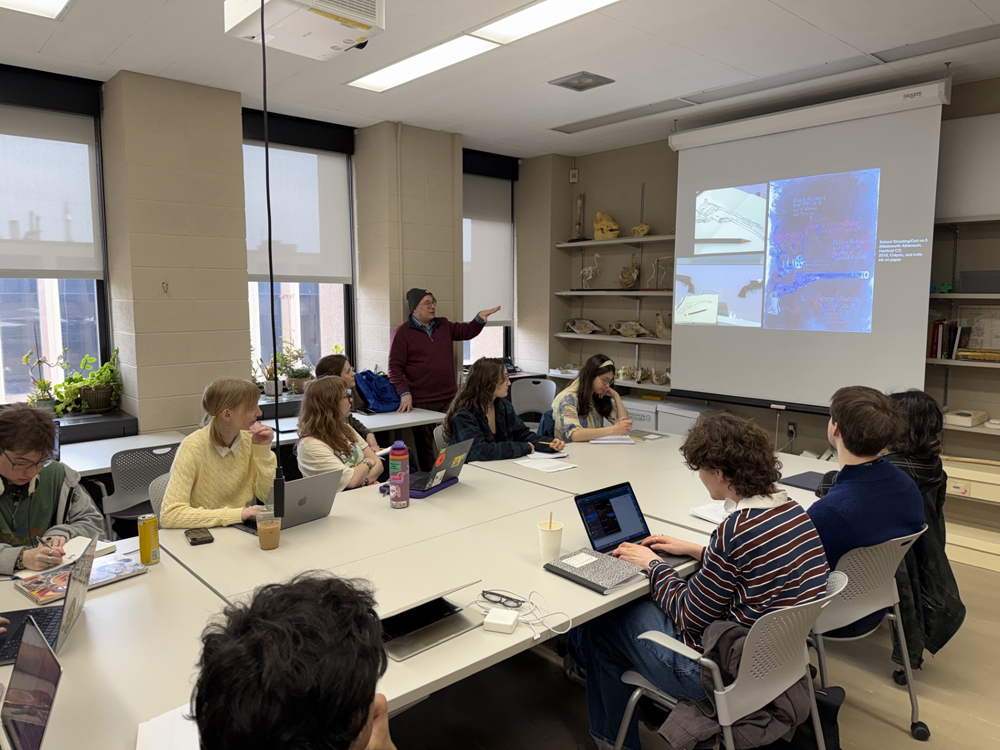
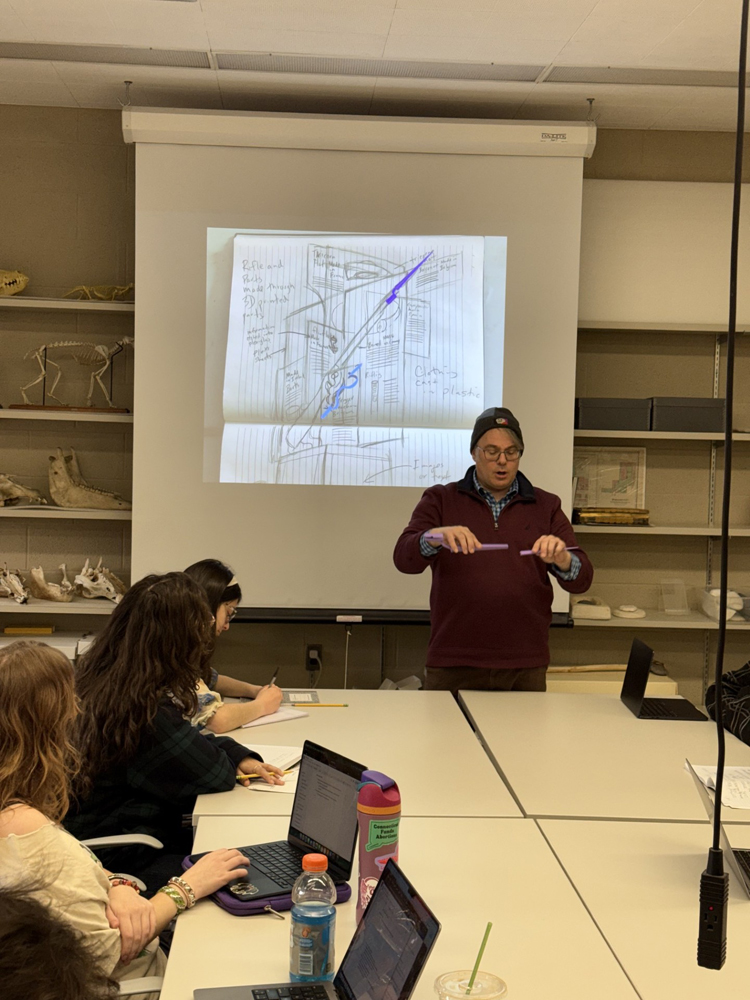
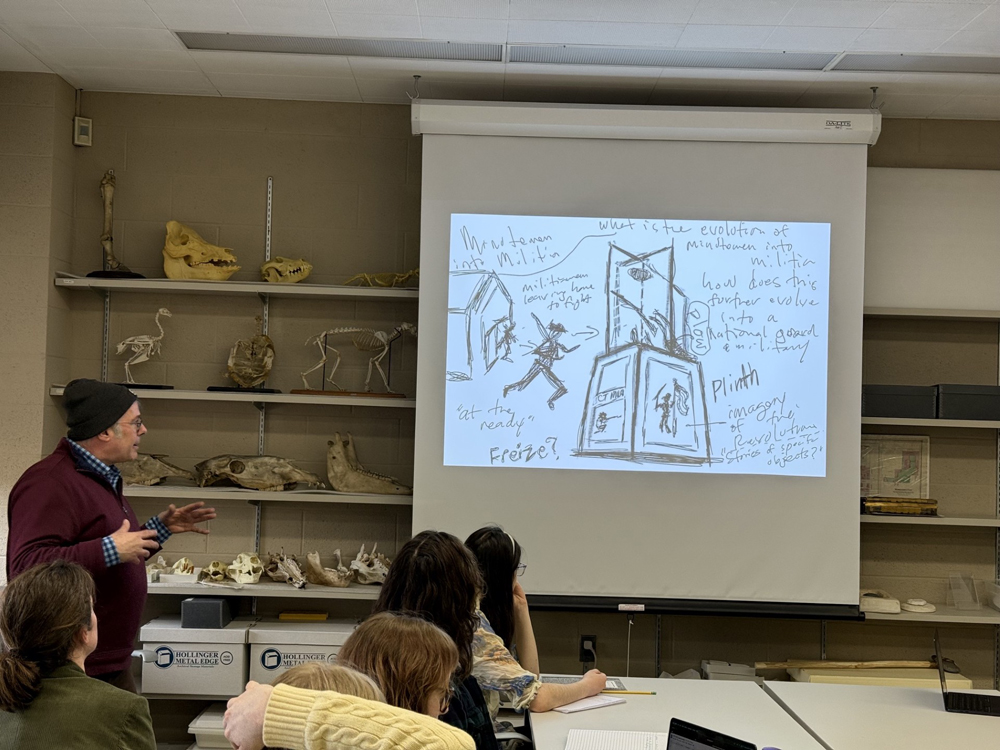
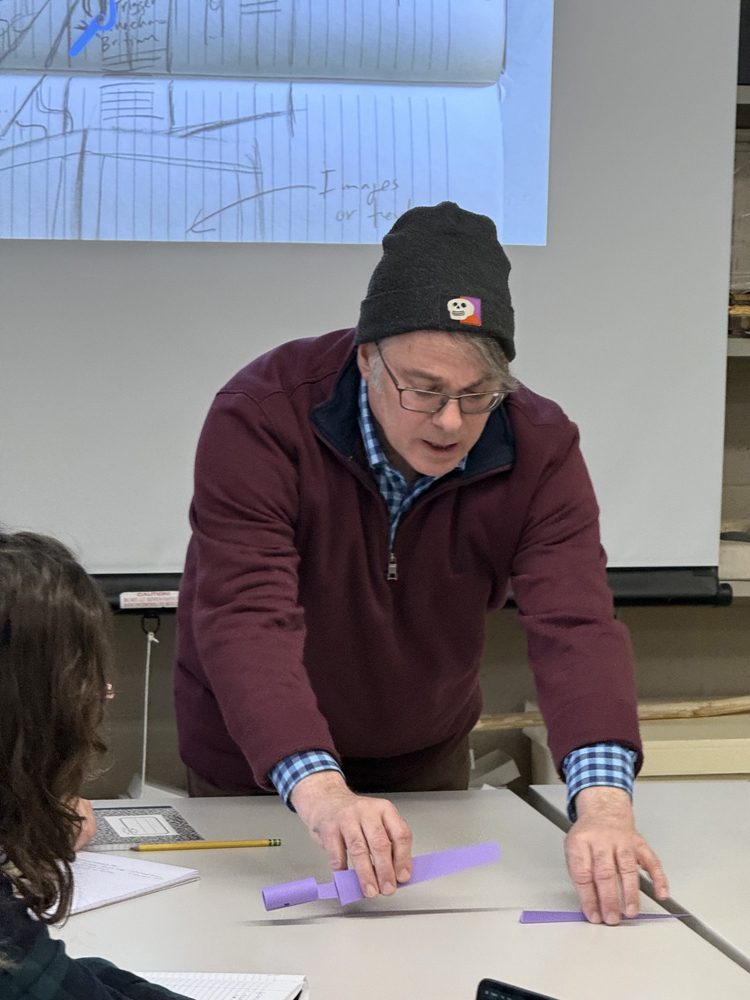
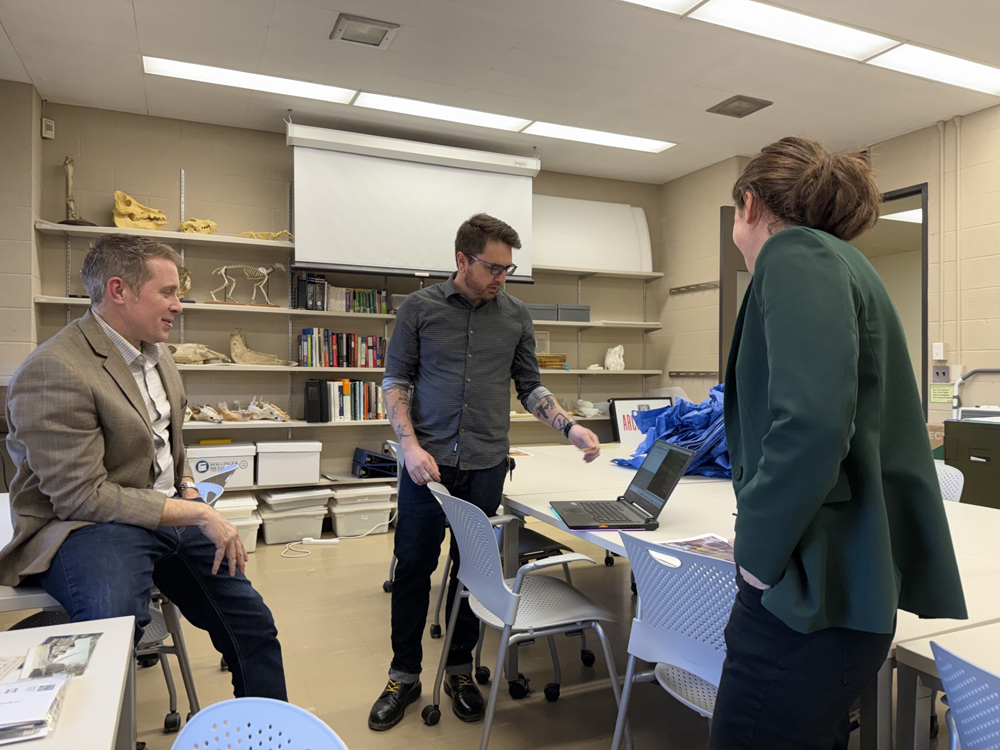
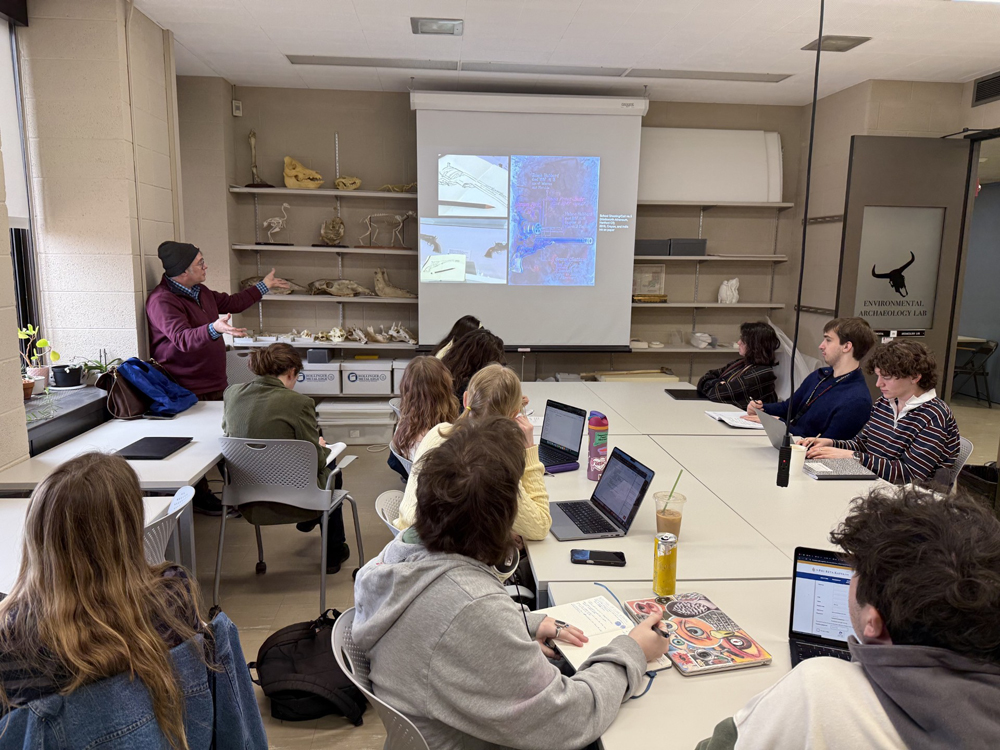
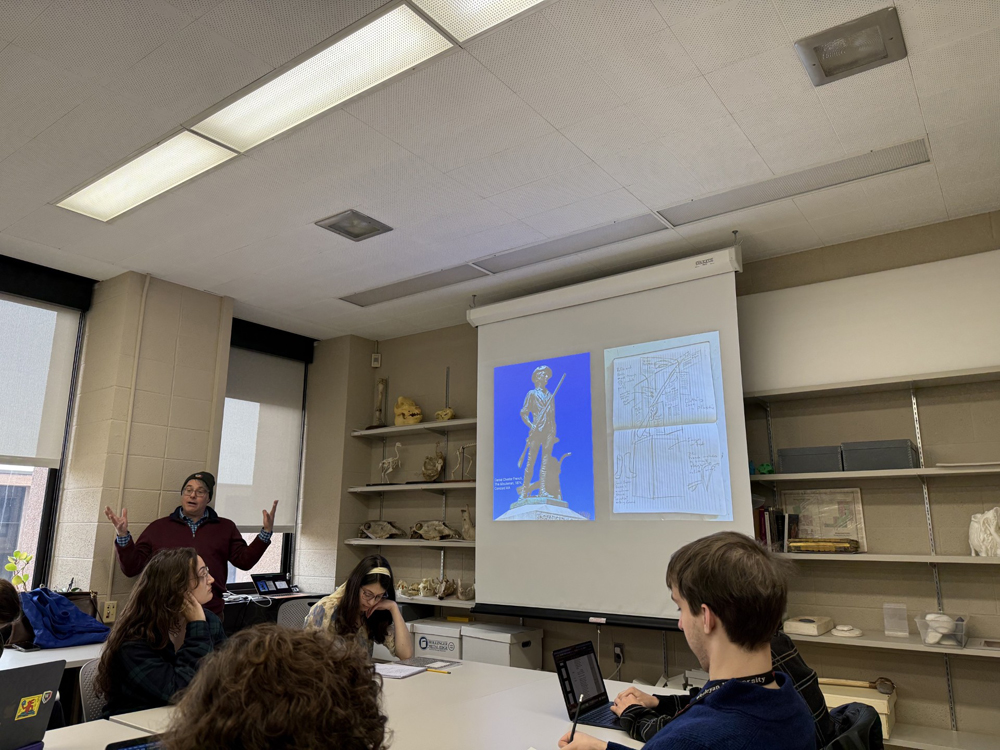
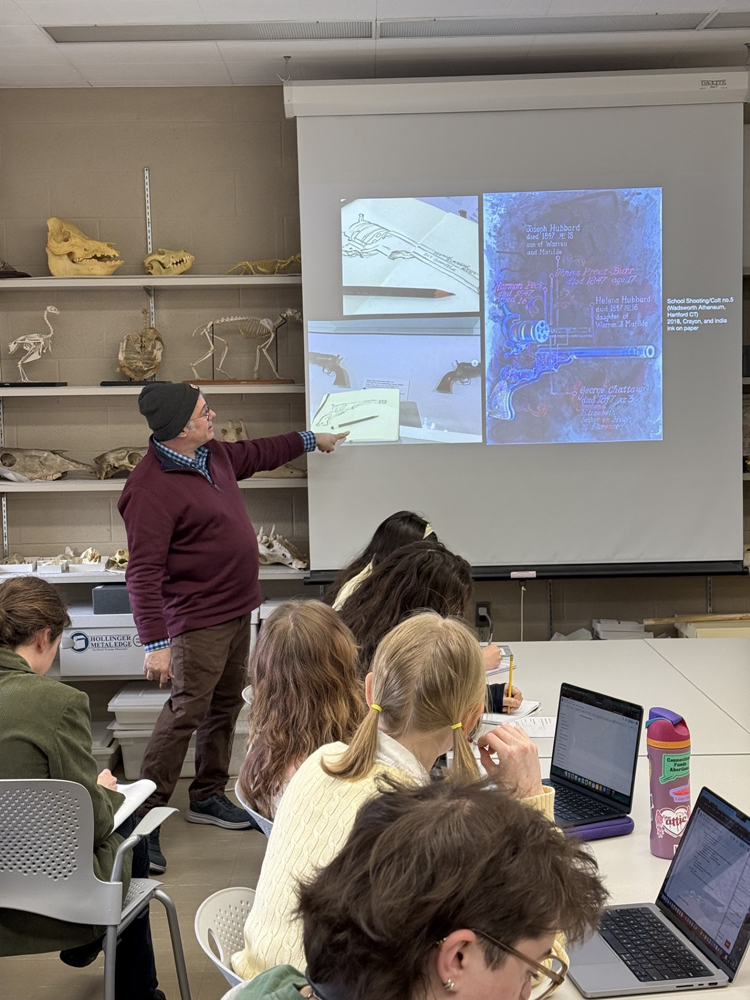
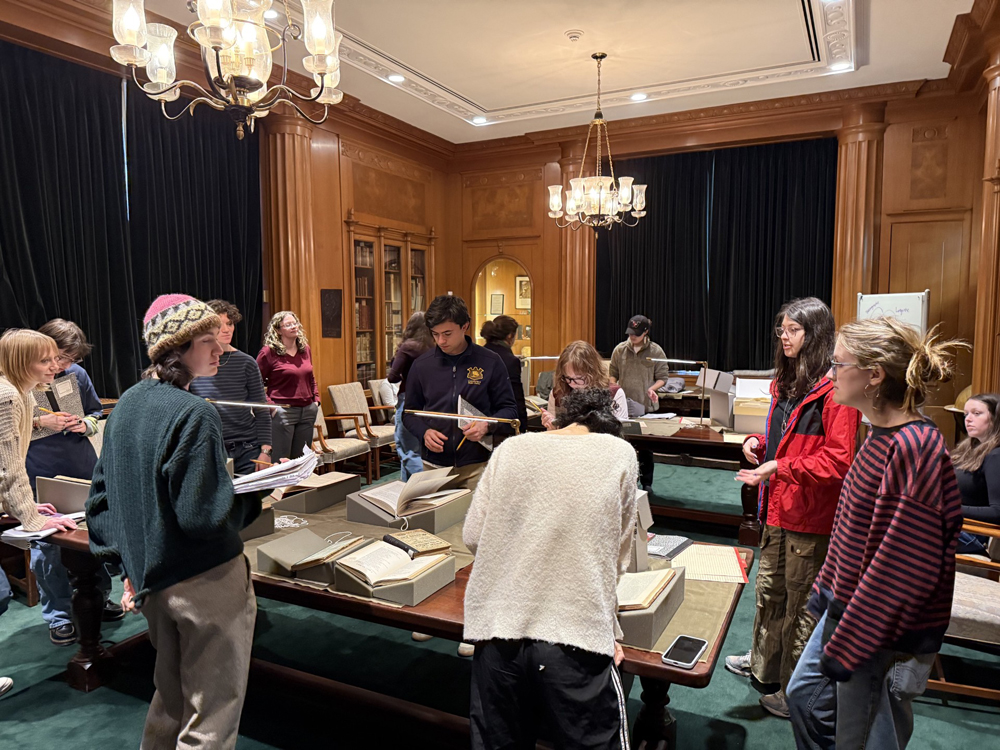
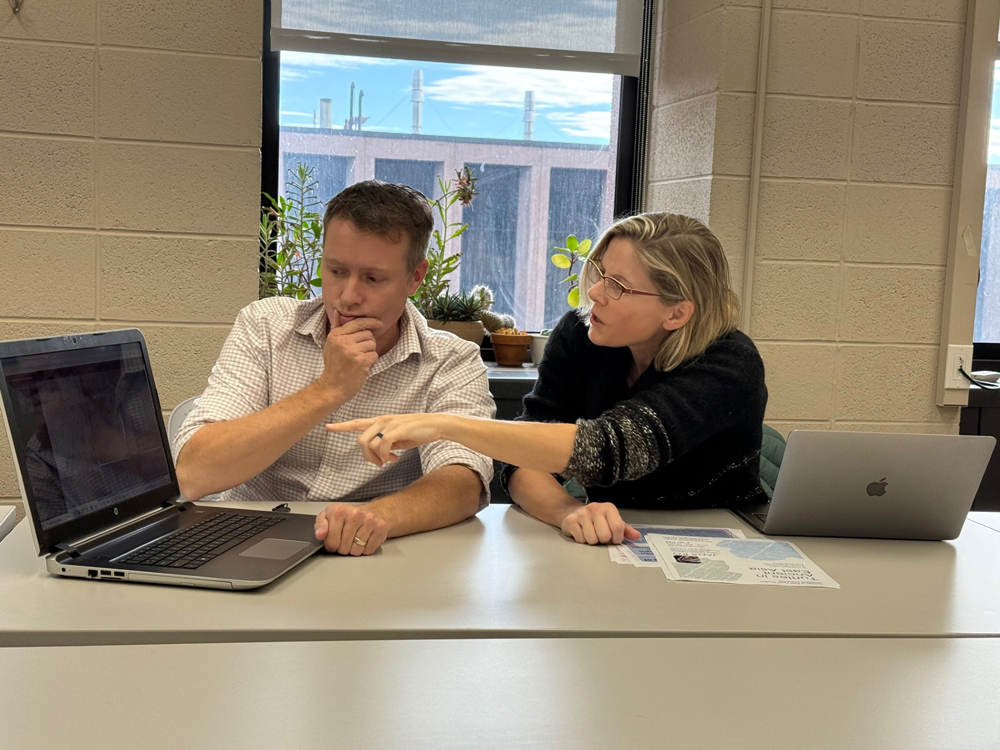
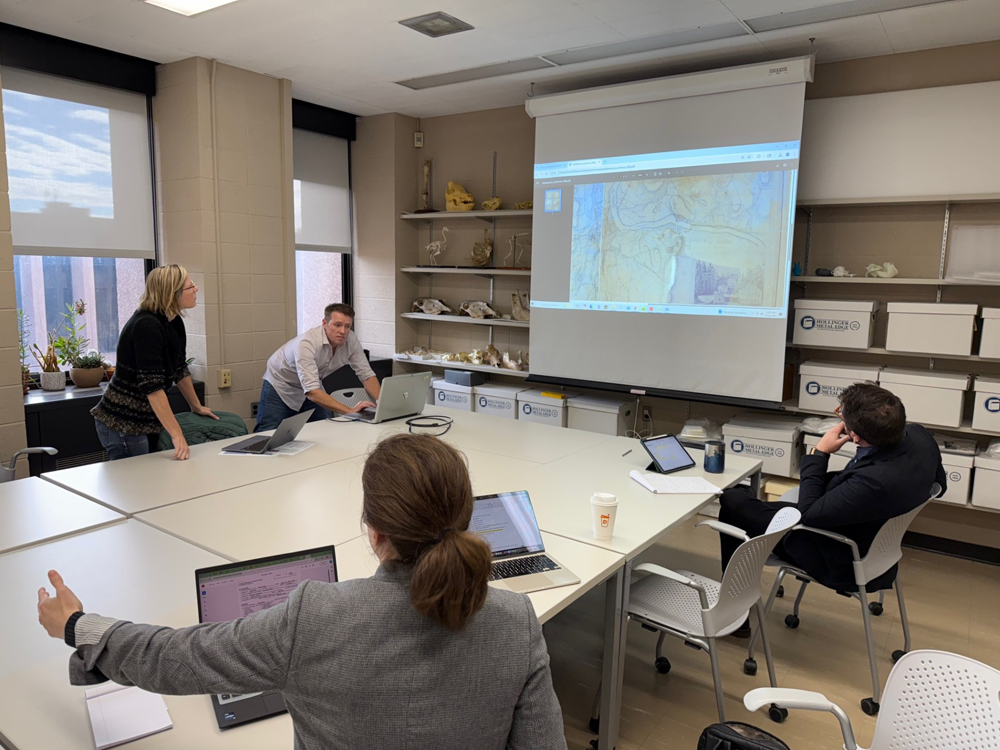
In the Spring of 2026, Professor Tucker and Professor Brunson co-taught a class titled History and Archaeology of Industrial Connecticut. Dr. David Naumec, who previously worked at the Mashantucket Pequot Museum & Research Center, also co-taught. The class was an interdisciplinary collaboration, cross listed in the History and Archaeology Departments.
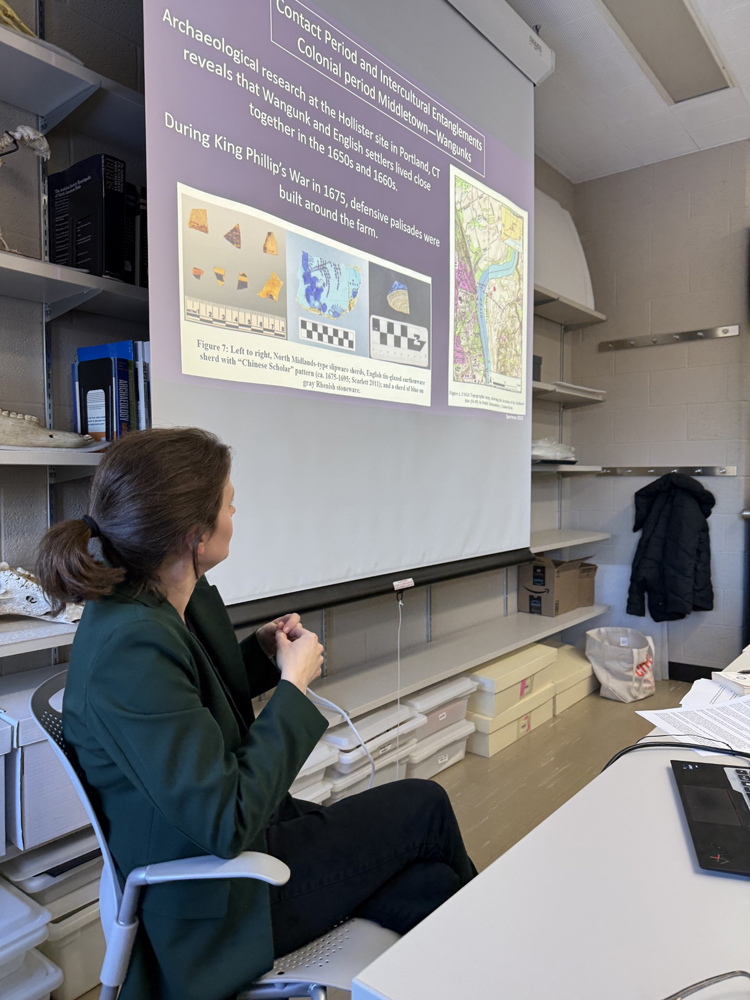
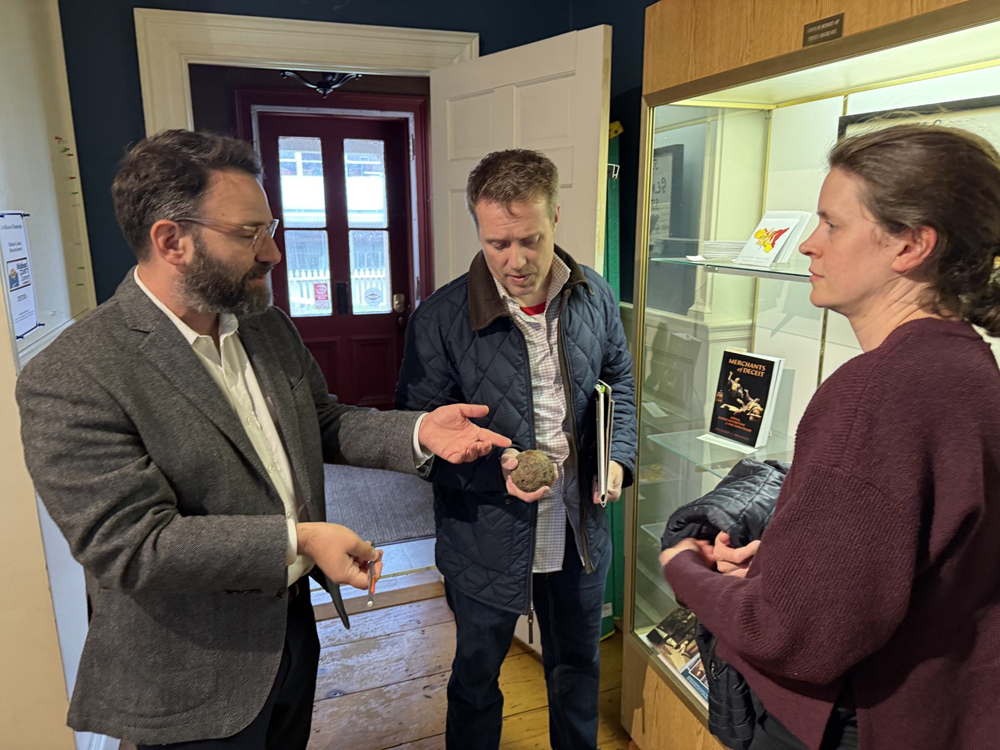
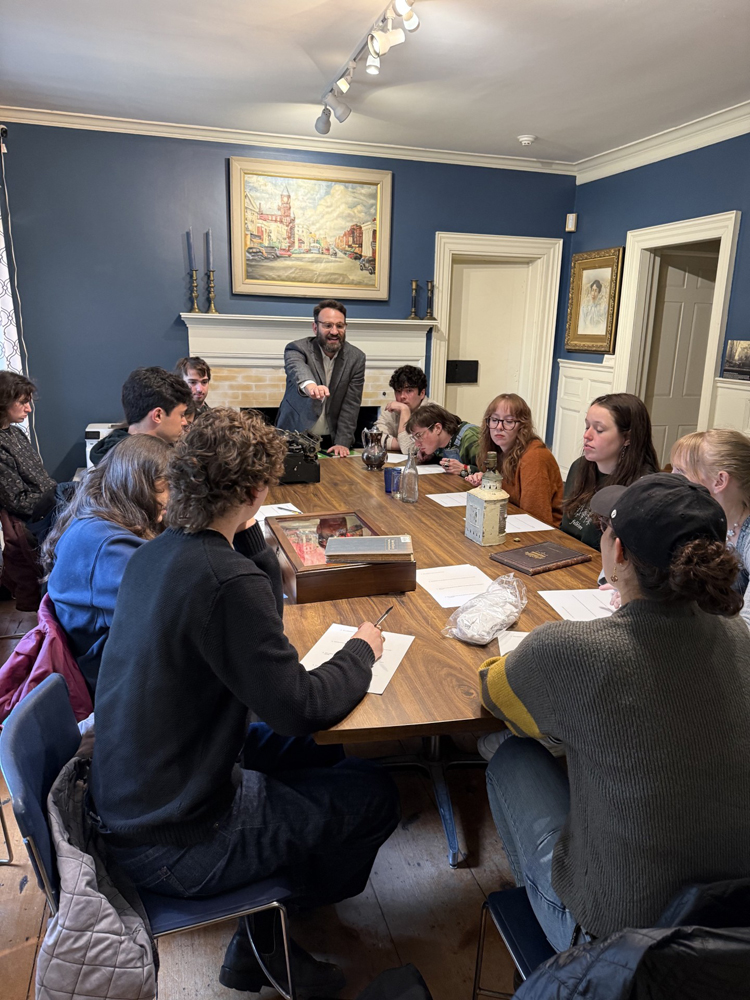
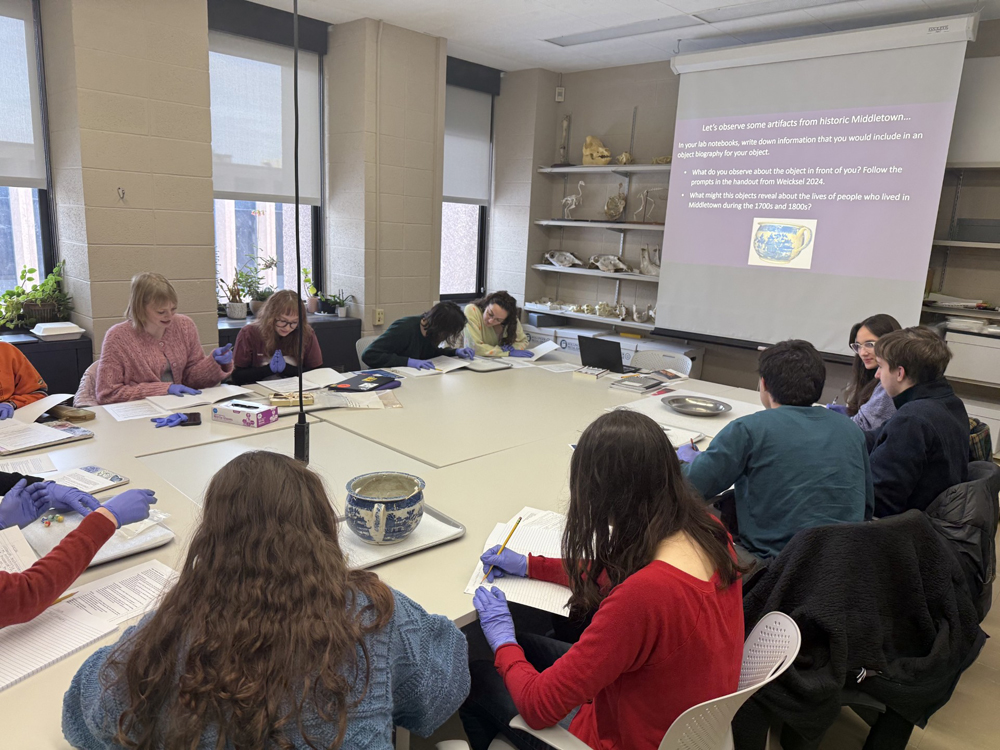
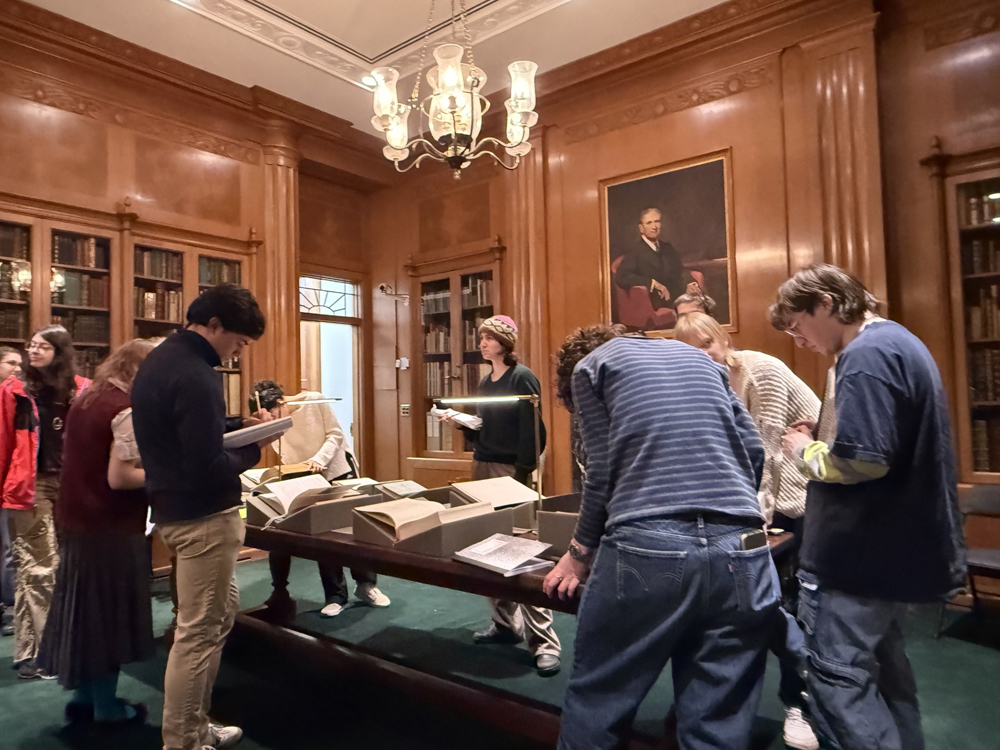
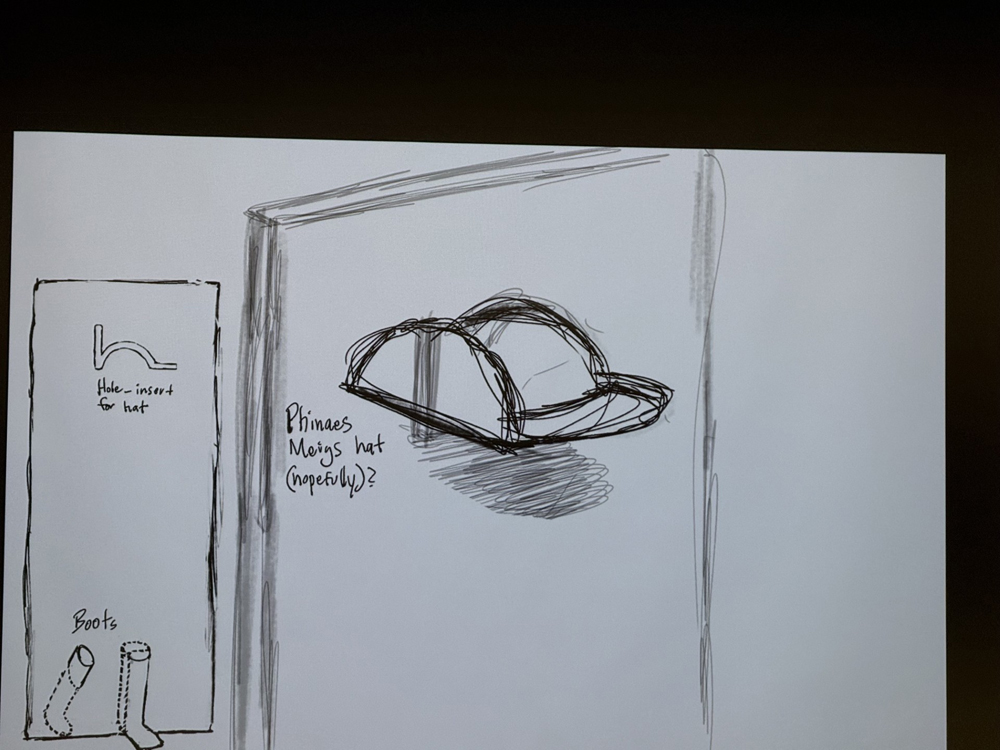
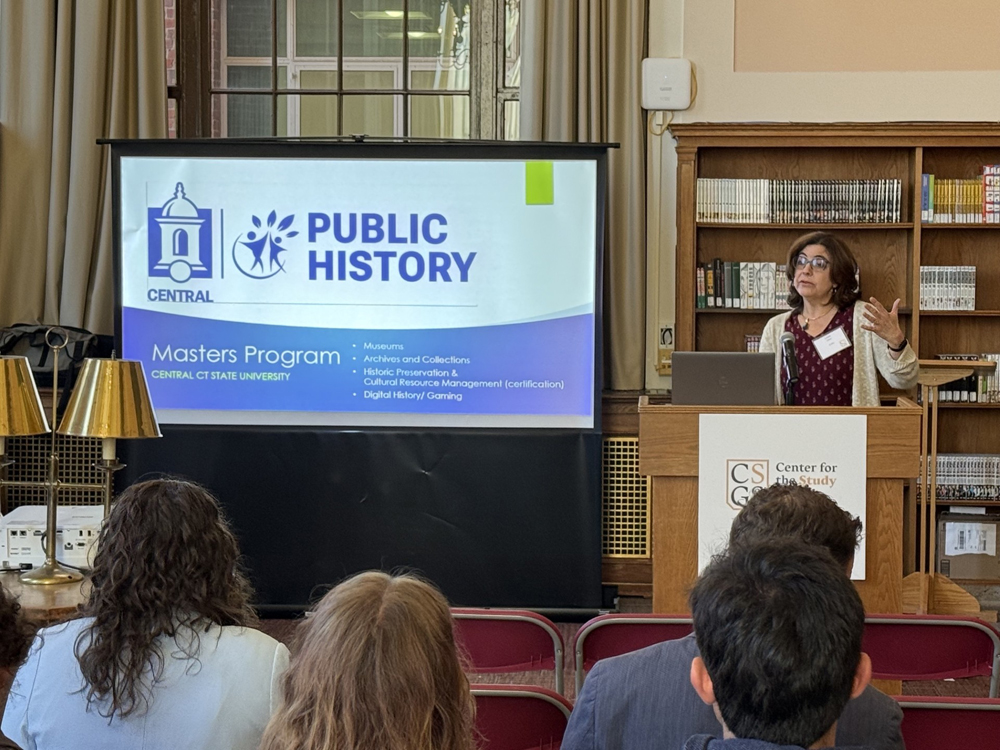
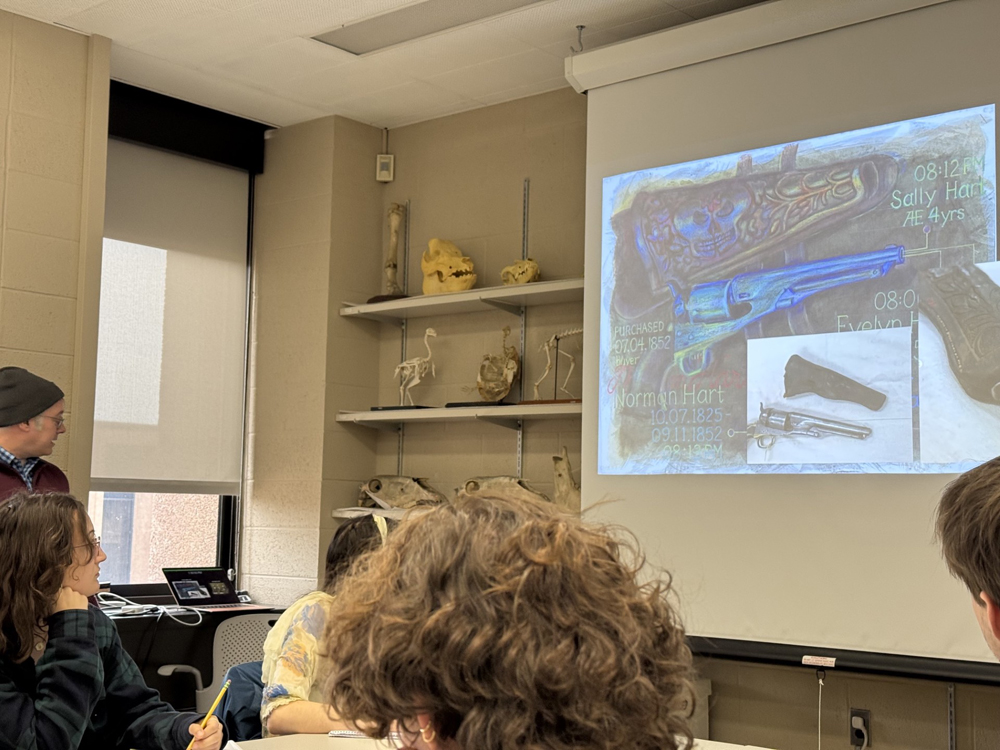
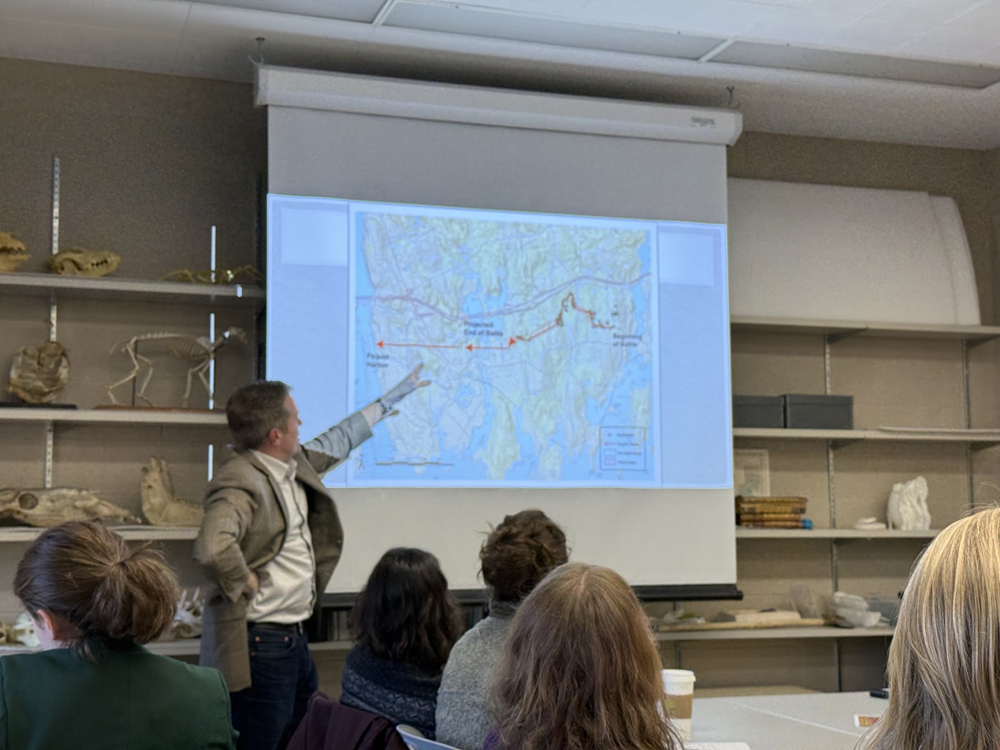
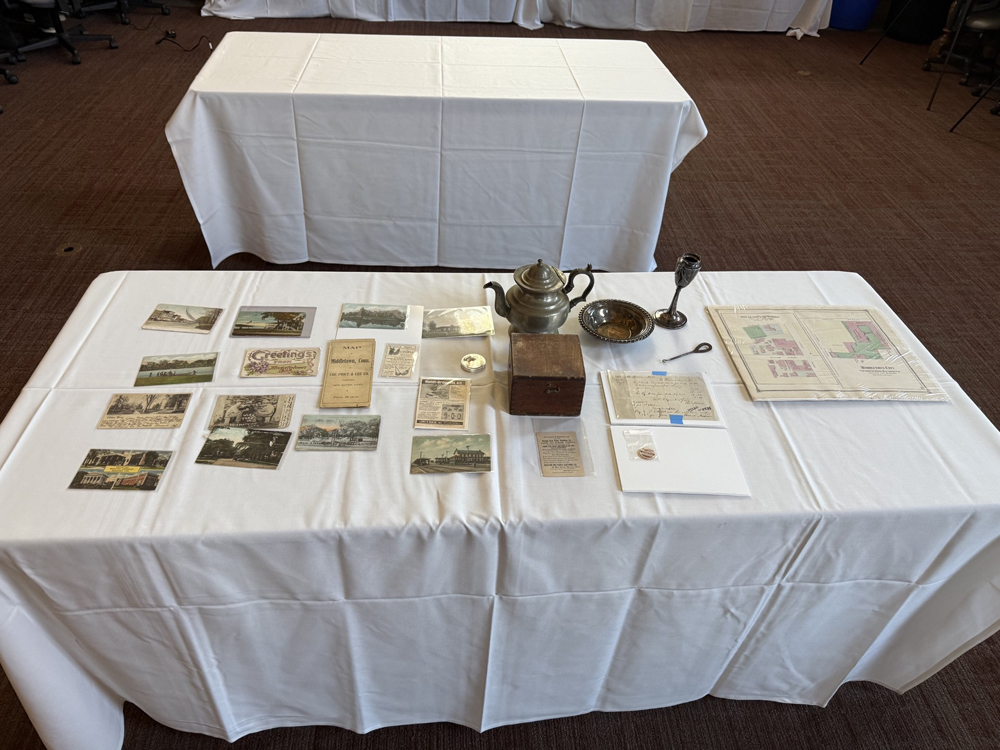
Throughout the semester, students worked on final projects inspired by objects excavated in Middletown. Objects came from the Danforth House, Beman Triangle, and Magill House. A requirement of the project was that it must have some public-facing component—a podcast, a short film, an exhibit, or anything students could think of. Students learned to develop new skills to make this final product interactive, accessible, and interesting. Throughout the course, students heard from experienced guest speakers about their work, including Steven Lubar, Professor of Public History at Brown and the former Chair of the History of Technology Division at the Smithsonian’s National Museum of American History.
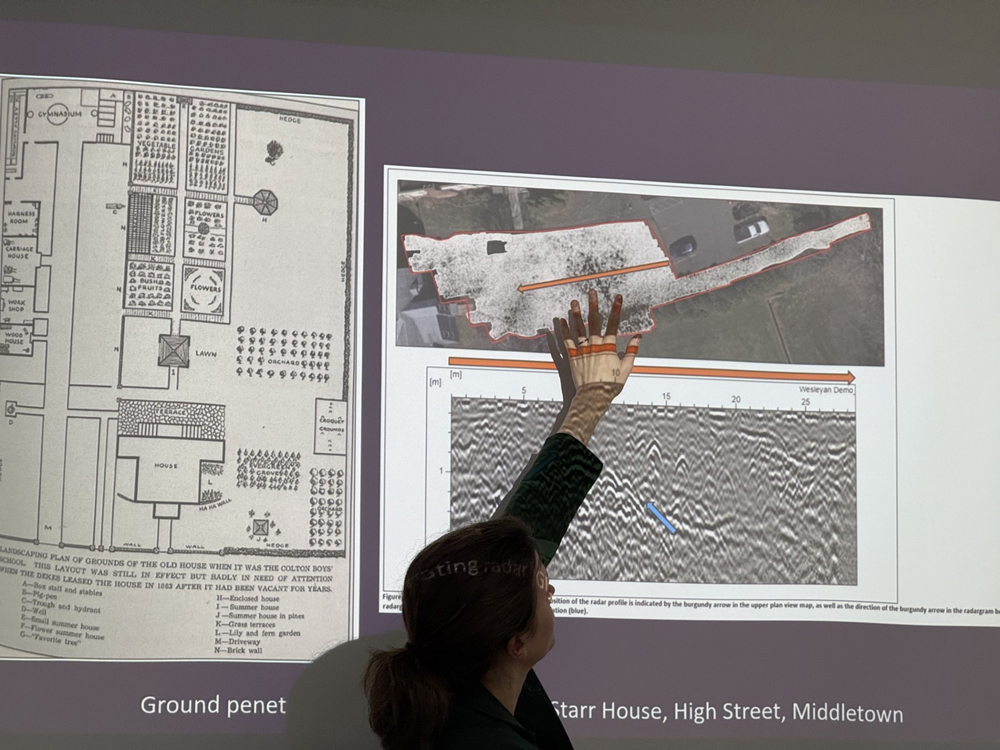
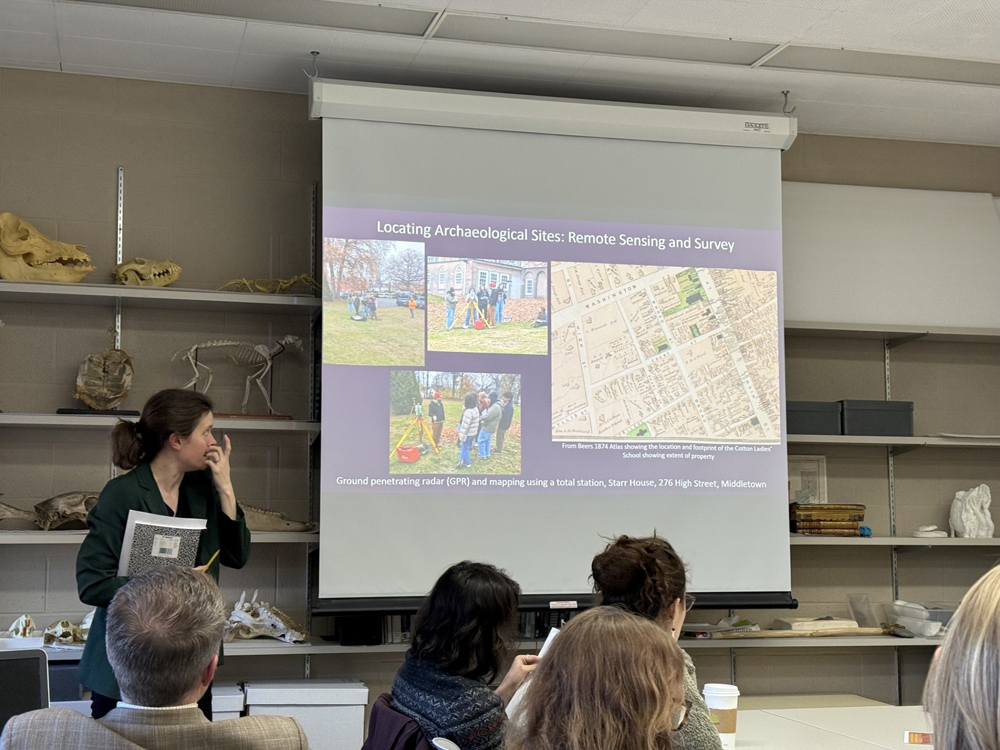
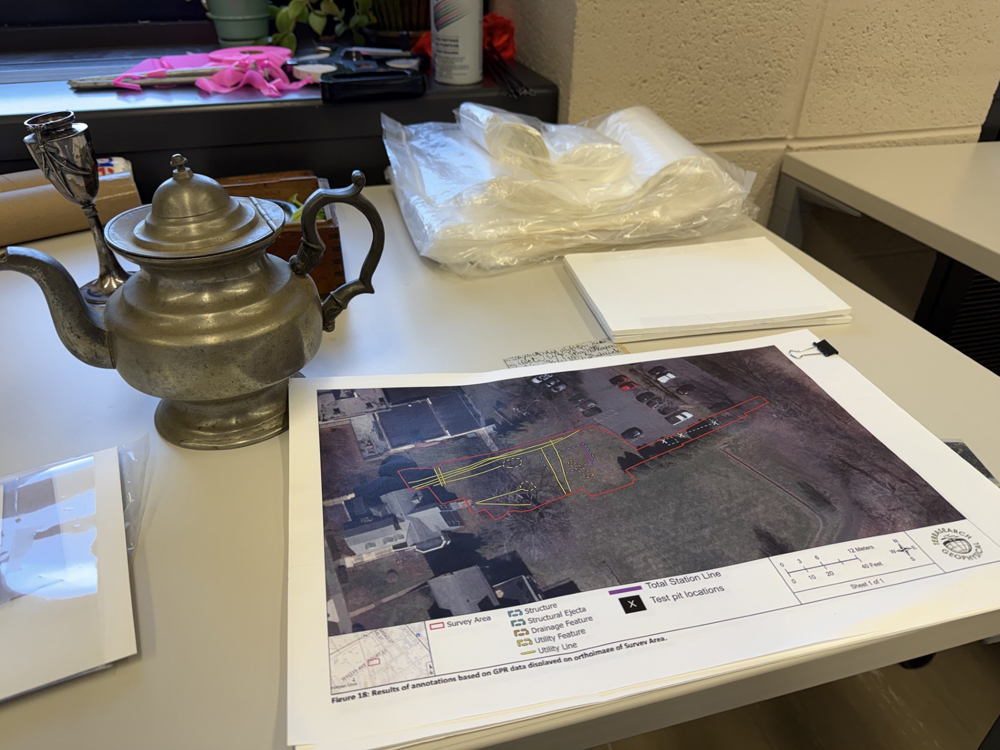
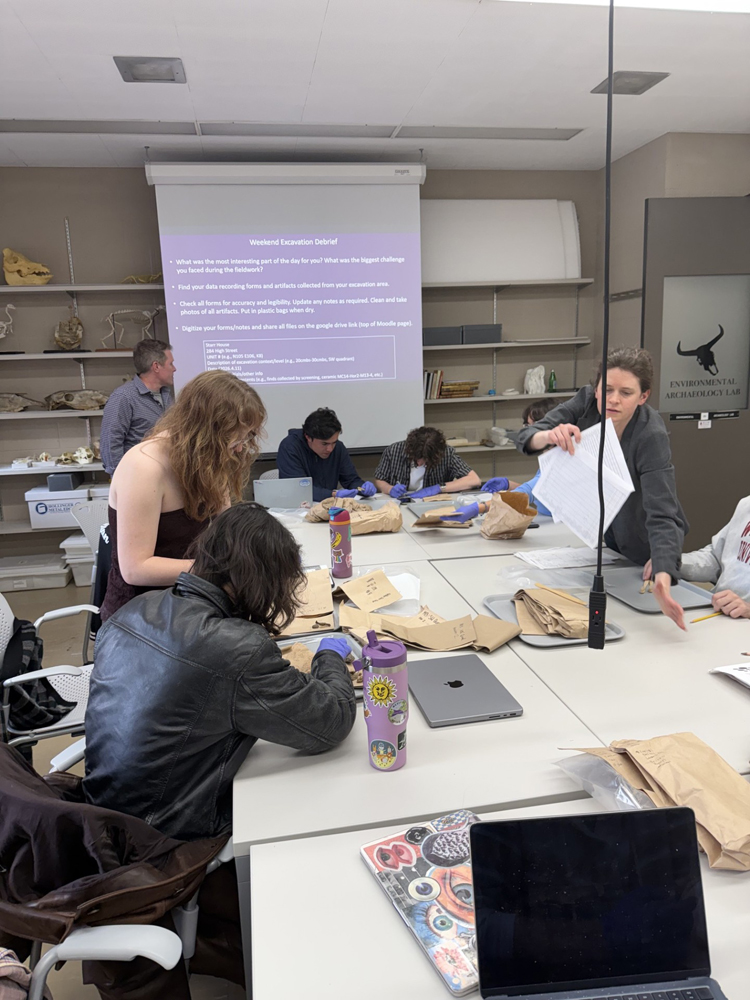
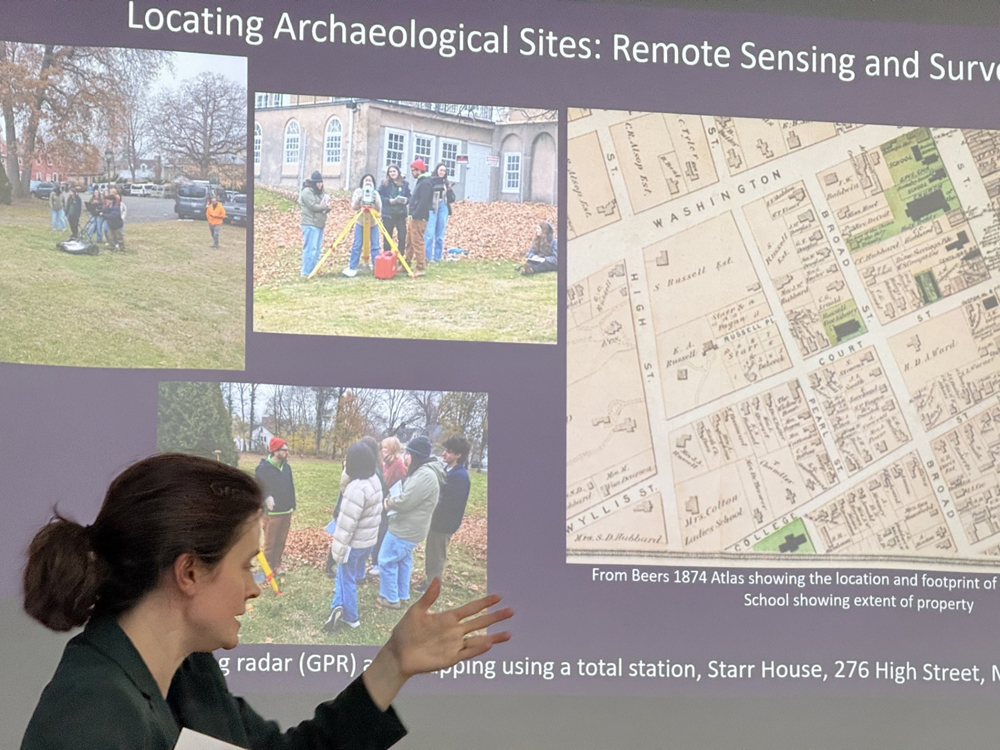
Another class requirement was attending an excavation in April at the Nathan Starr House. Starr was a 19th century firearms and sword manufacturer who lived in Middletown—his house was located where the DKE fraternity is today. Students put into practice what they learned throughout the course about historical archaeology. Moreover, they learned about techniques and conventions of archaeology in New England.
This dig was open to the public, and residents walked in throughout the day to learn about the history of the house, test out metal detectors, and help with the excavation.
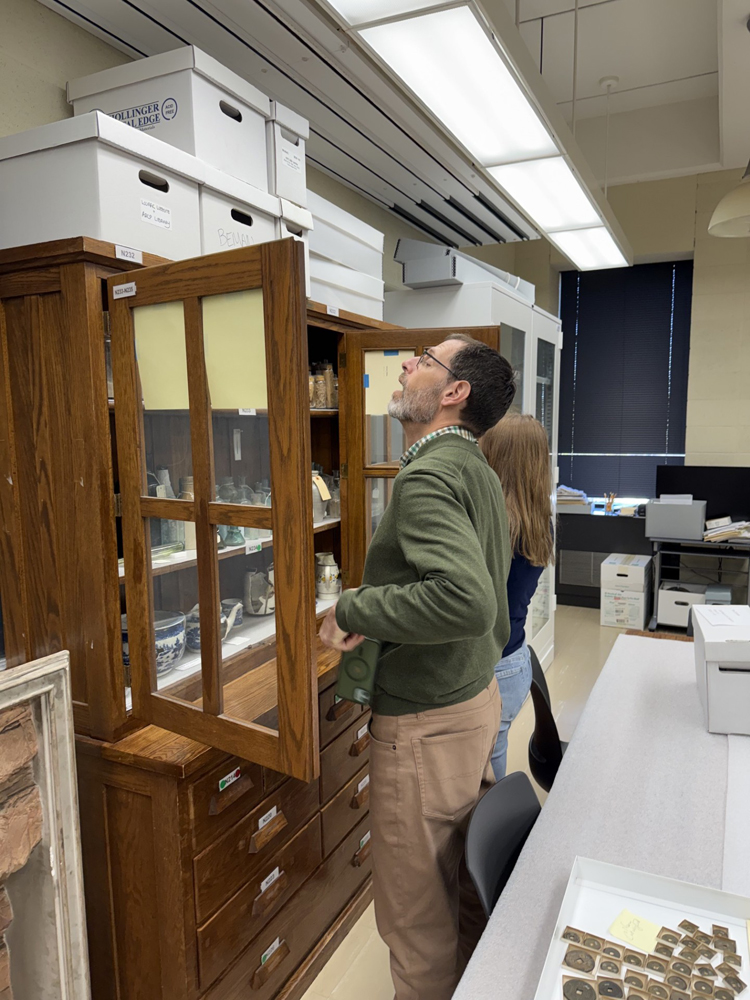
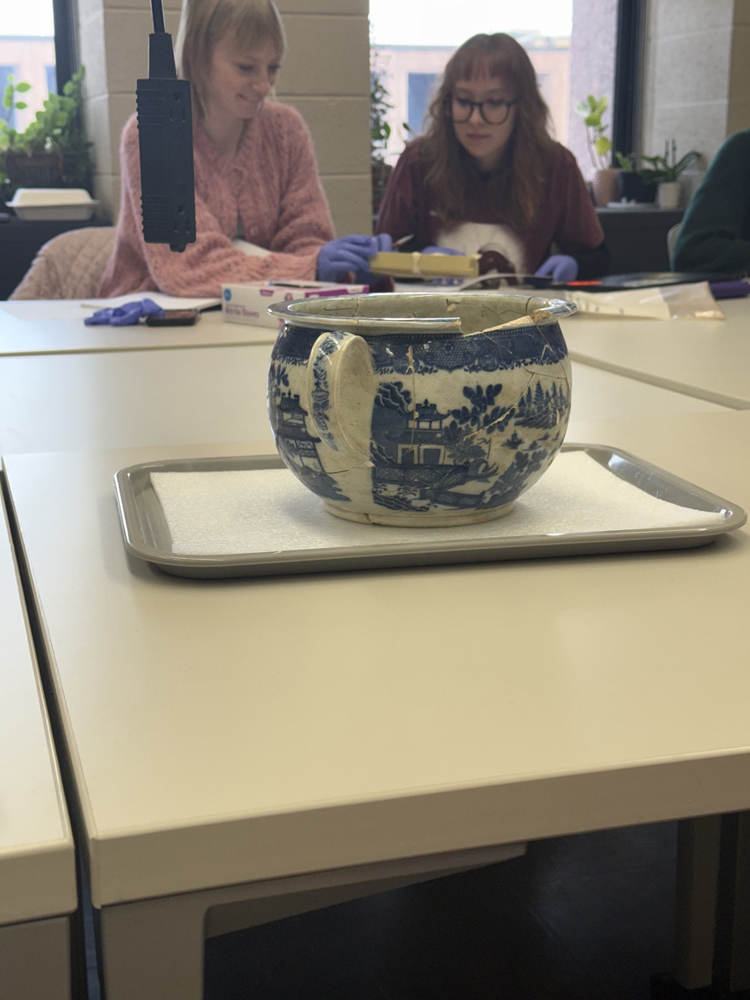
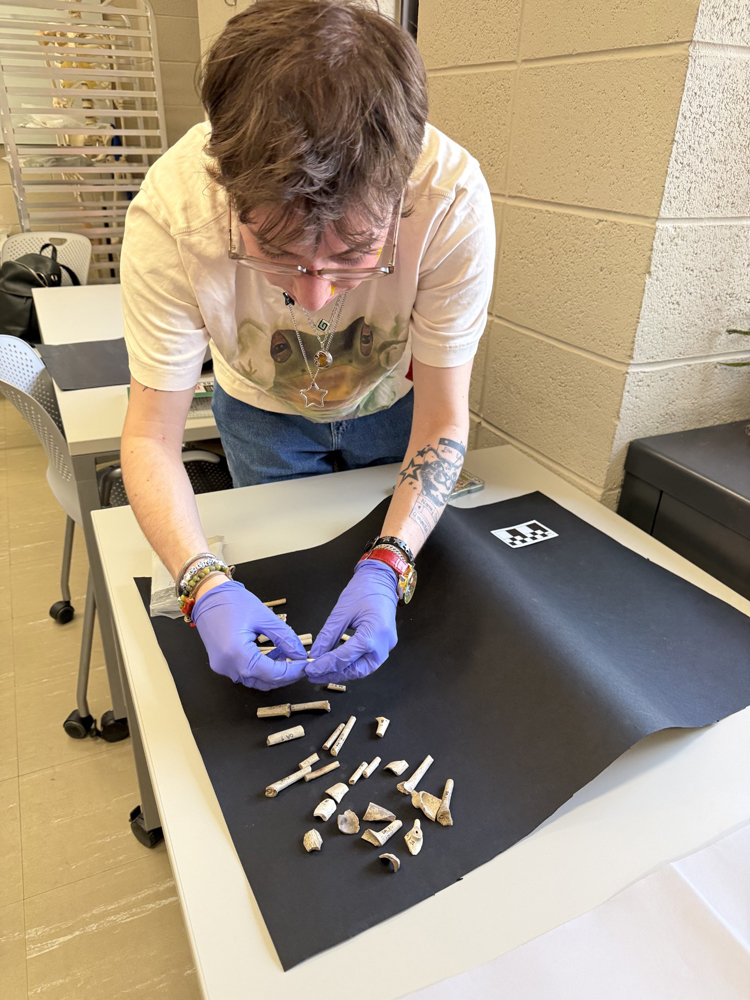
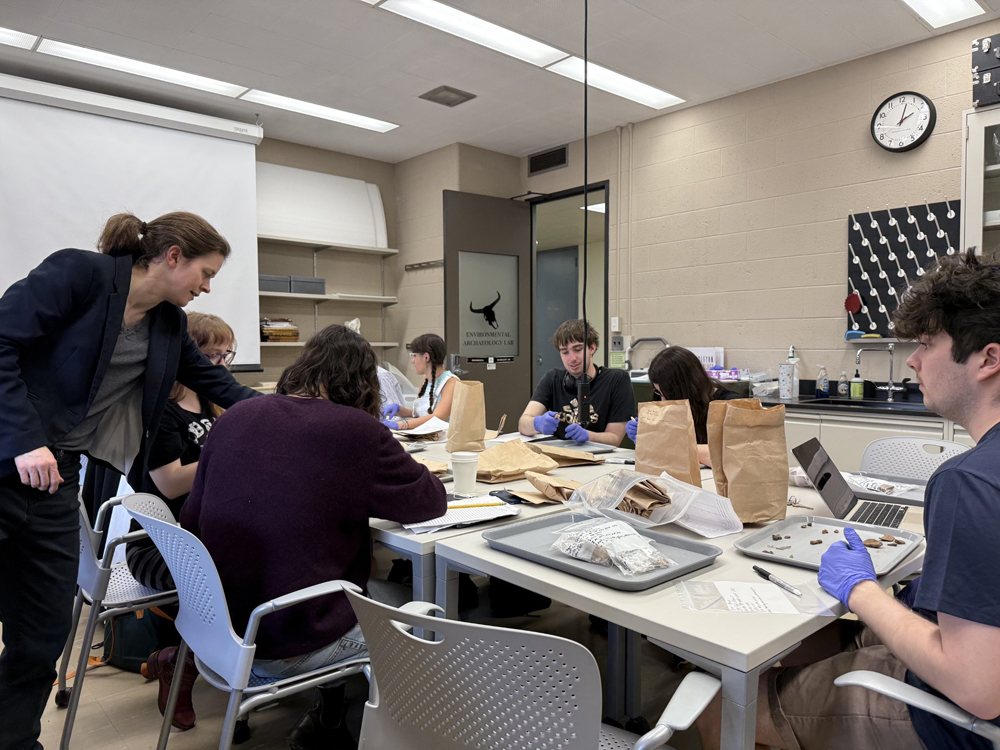
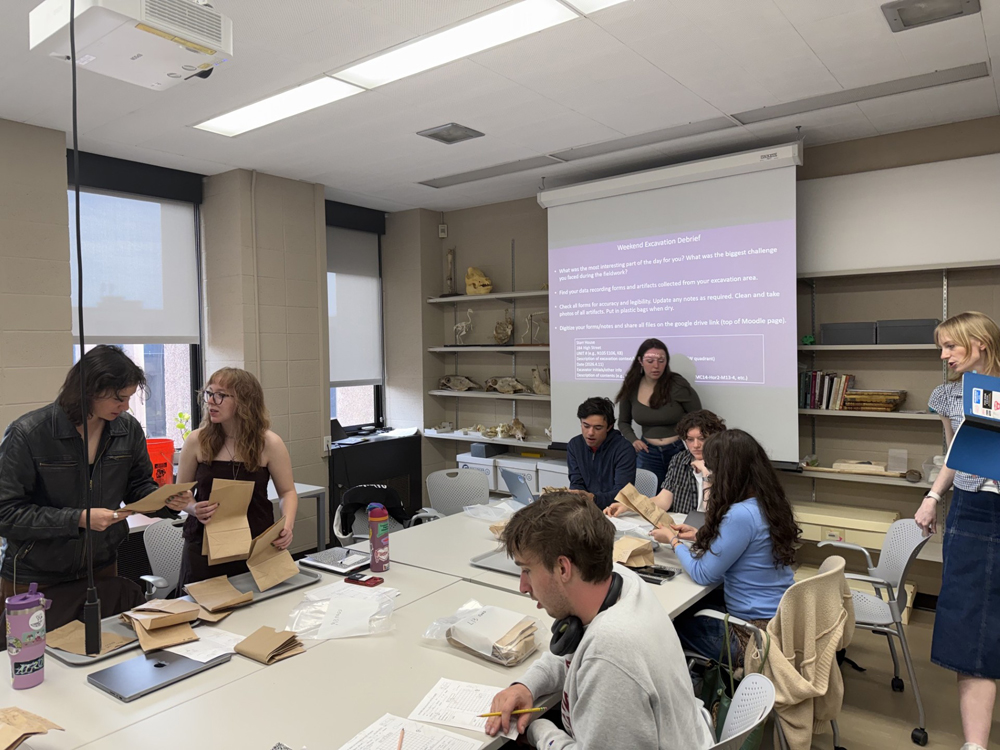
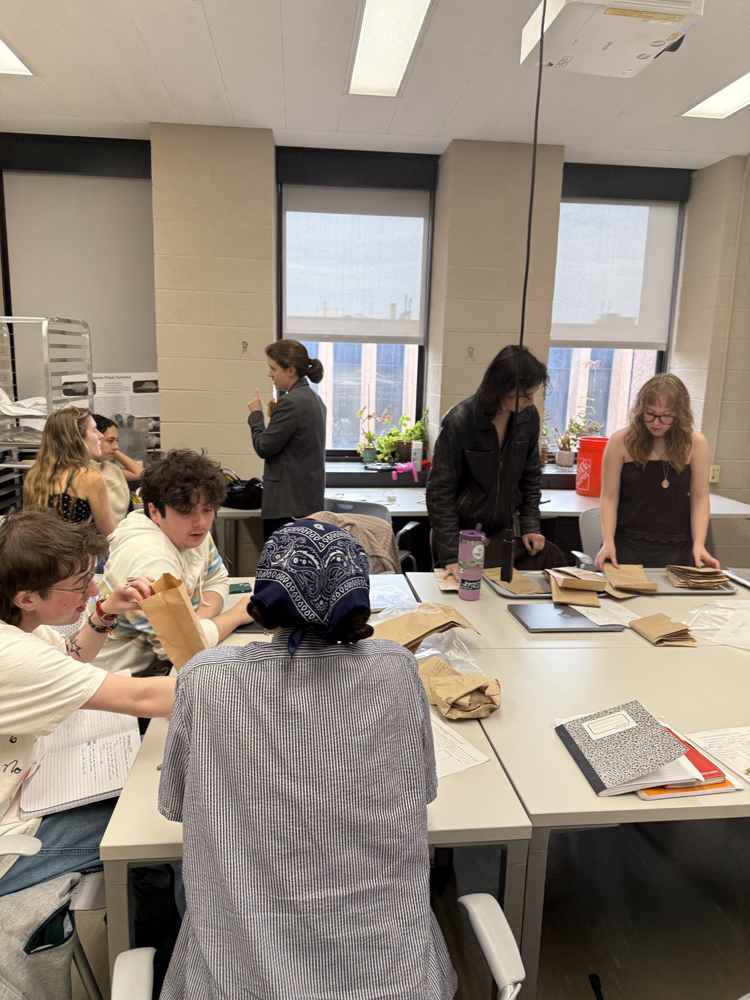
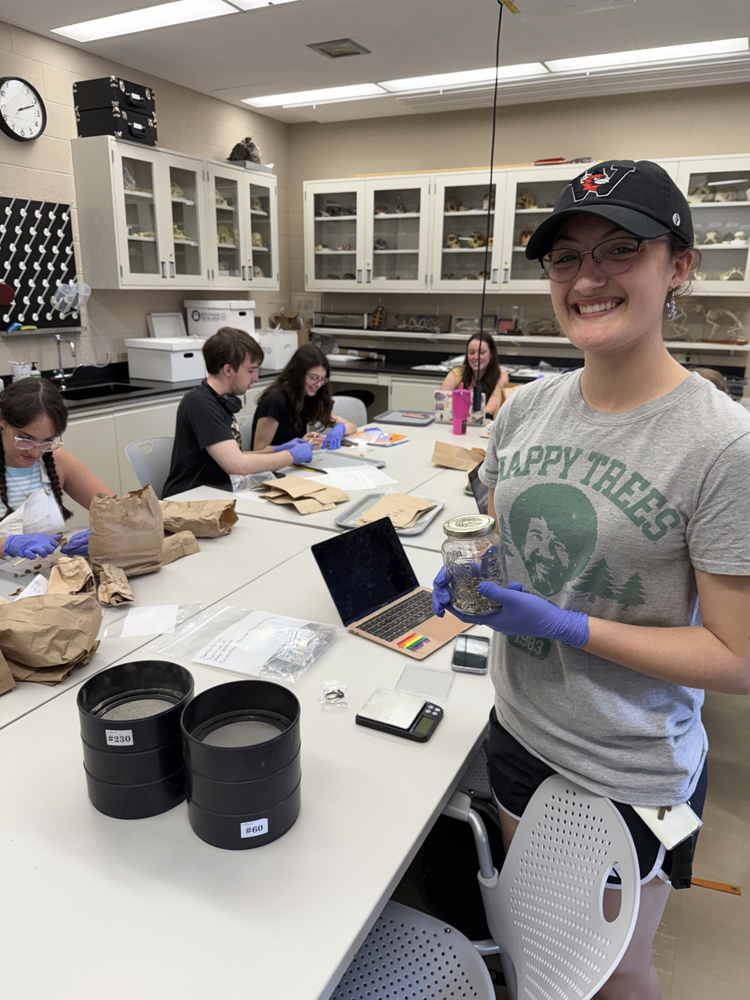
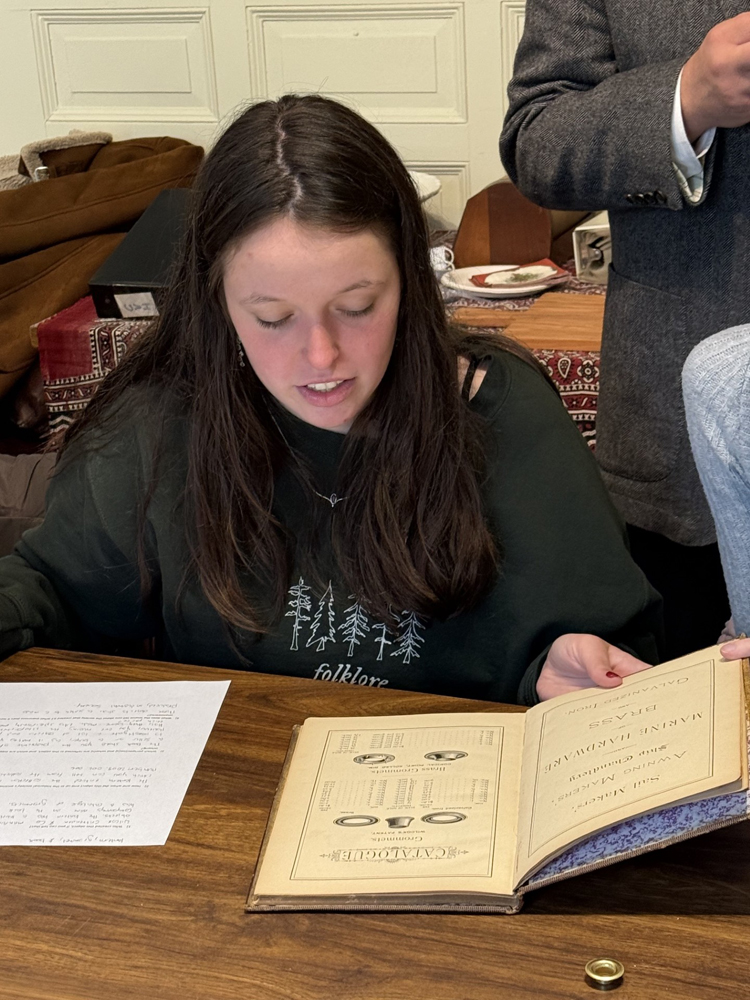
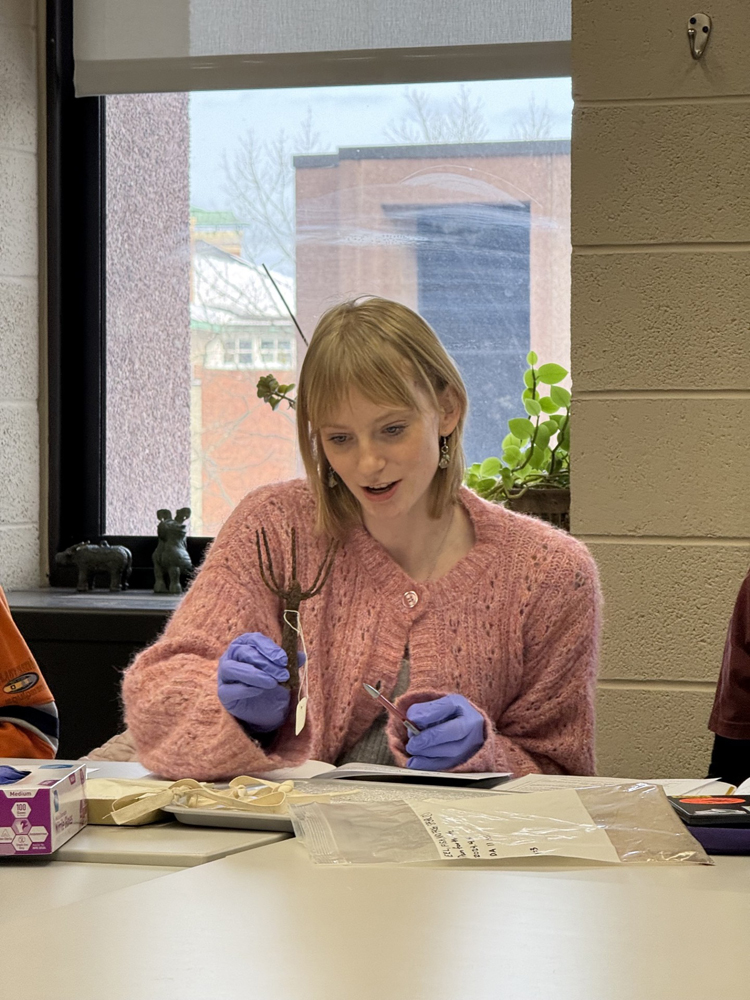
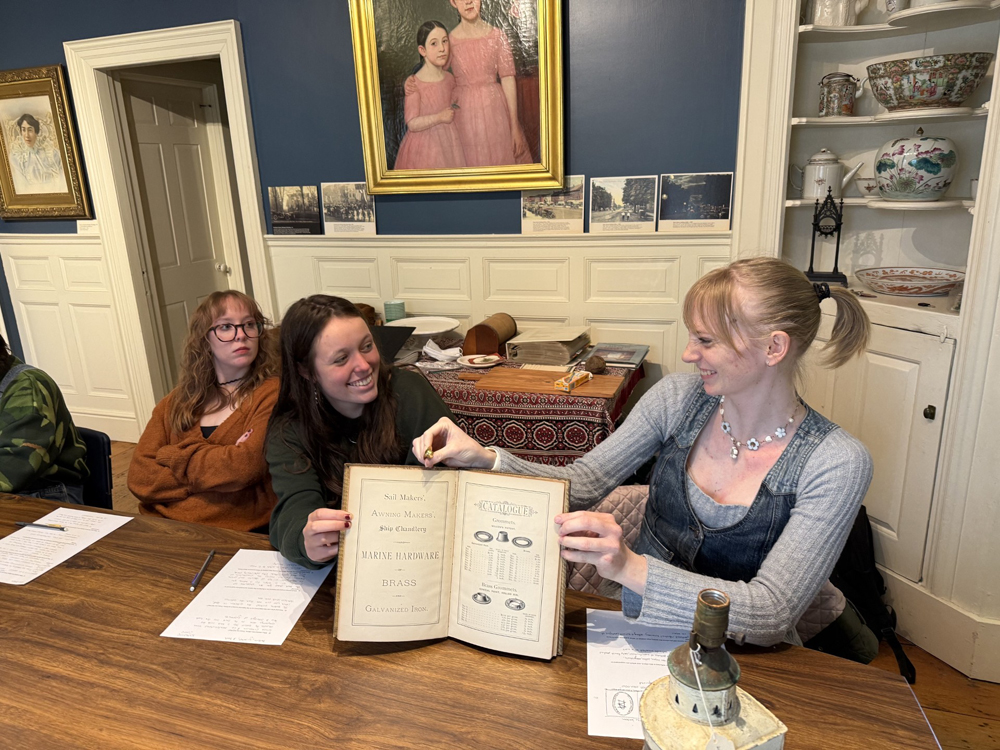
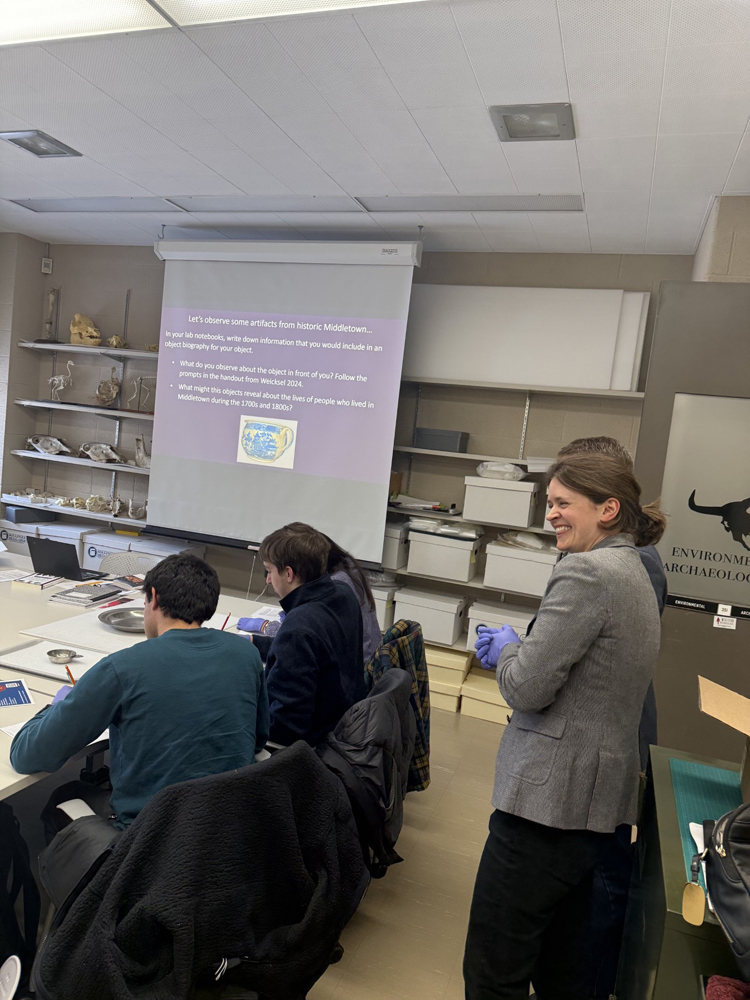
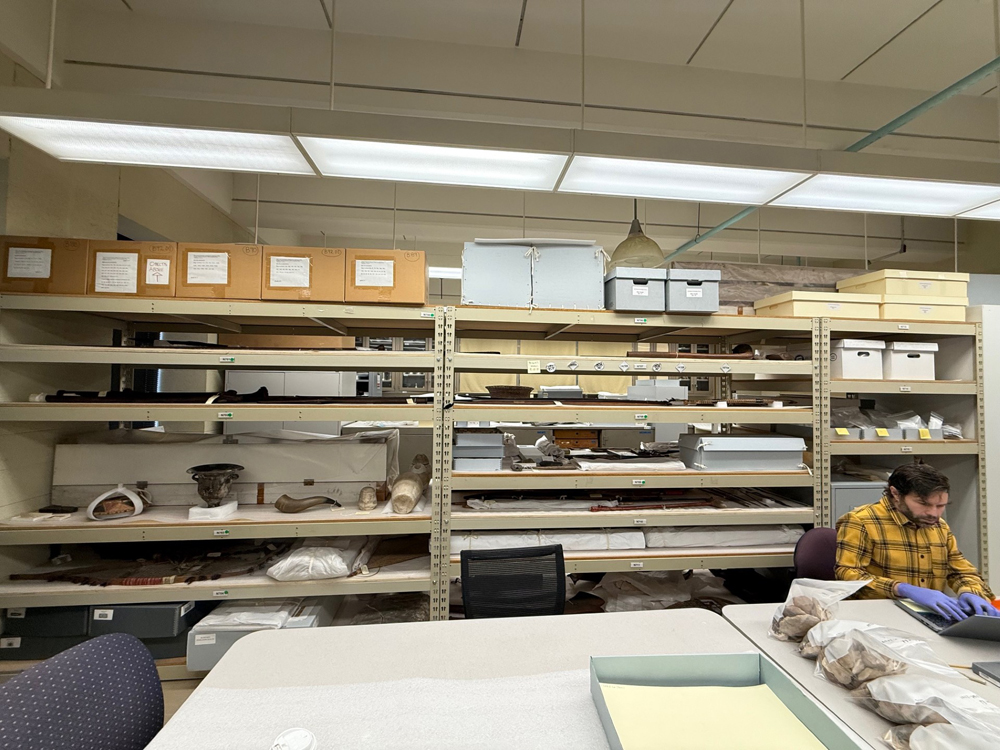
In addition to lectures and in-class discussions, students worked collaboratively on a semester-long project of cataloging the Danforth House excavation materials. The house was excavated by Wesleyan Professor Stephen Dyson in 1969. Since it was excavated, the objects have been sitting in the AAC and they have not been processed. Students got firsthand experience working with objects and they made this collection more accessible to future researchers.
History seniors/majors Fiona O’Reilly and Sophia Molina were our course assistants for the class. As part of their work, they are helping to digitize the Nathan Starr papers at the Middlesex County Historical Society, director: Jesse Nasta (Prof of Practice, Department of African American Studies, Wesleyan).
“By unearthing forgotten fragments of Middletown’s industrial past and translating them into modern museum exhibits, walking tours, and posters, this project helps students translate scholarship into public history. It shows the value of artifacts in revealing hidden dimensions of the past and telling new stories.”
By engaging with professionals employed at and objects related to those topics held by the Smithsonian Institution’s National Museum of American History with particular focus on holdings related to Connecticut’s Revolutionary era; (c) collaborating with Wesleyan’s Archaeology faculty and Connecticut’s state archaeologist on interdisciplinary curricula and community archaeology aimed at Middletown’s and Connecticut’s role in the American Revolution, and (d) mounting a series of public history exhibits and workshop to showcase undergraduate research finding during her new class.
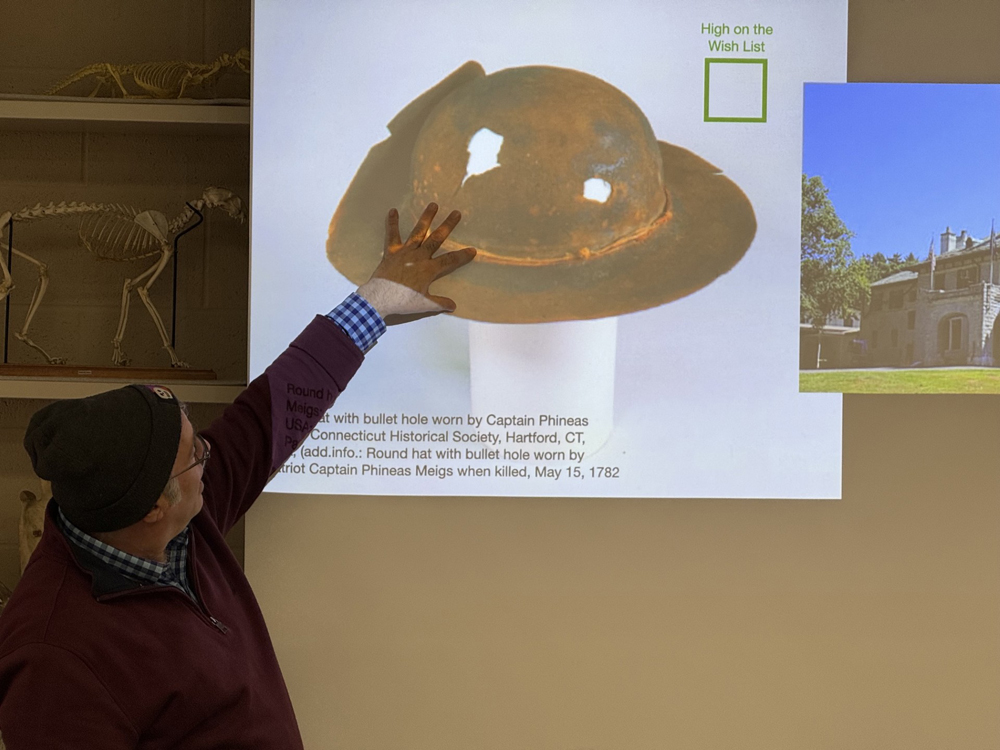
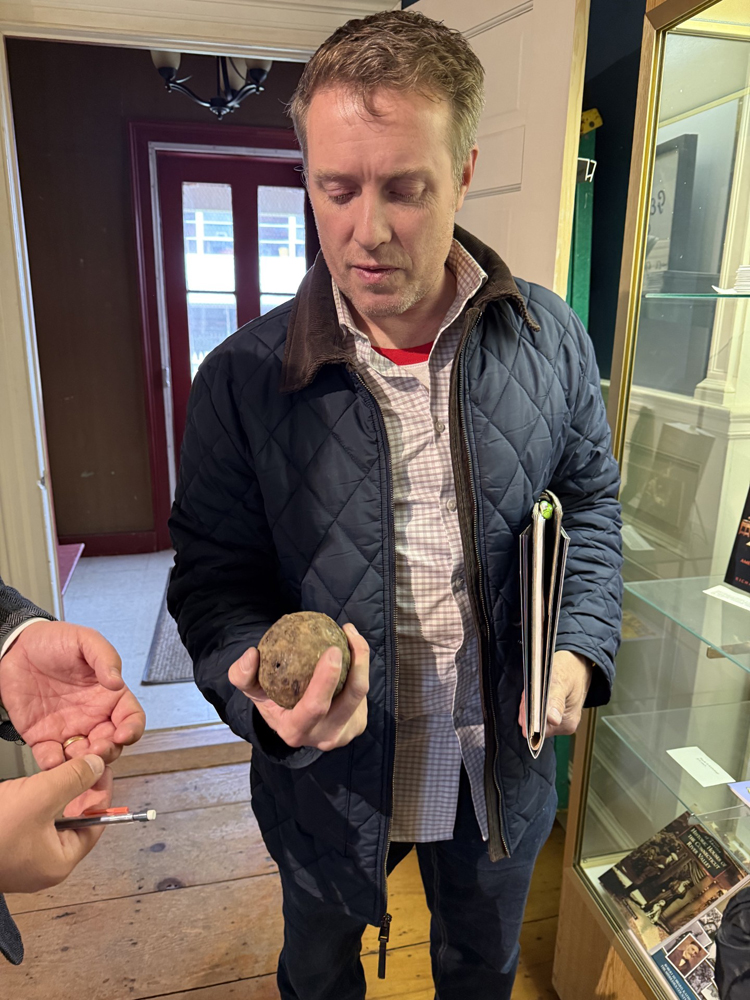
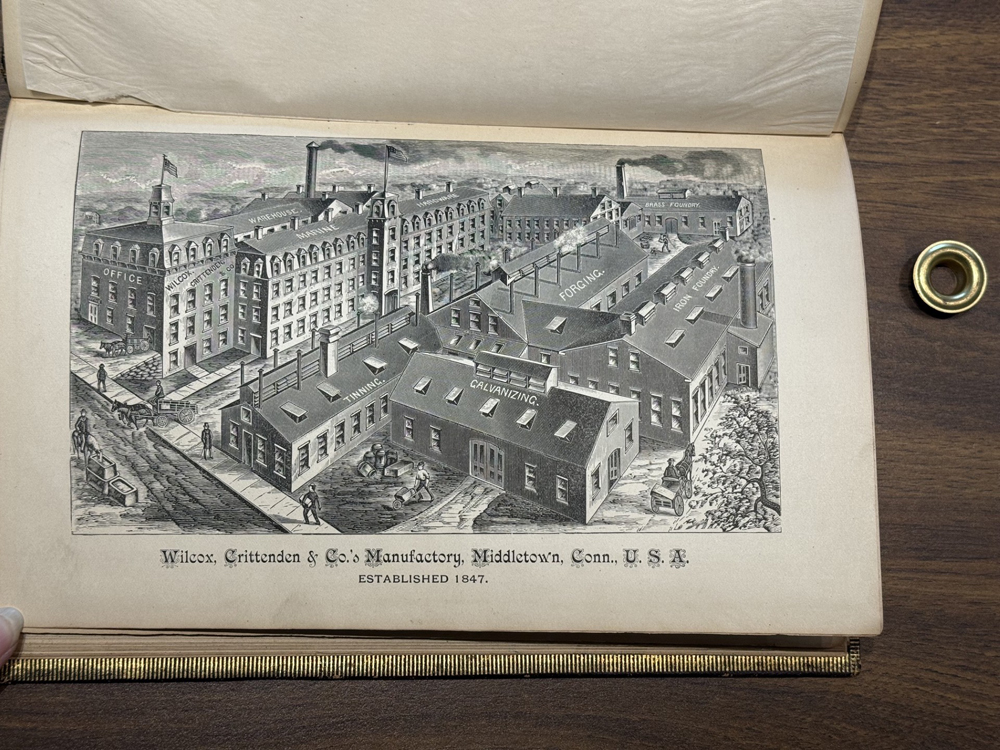
Tucker’s new course will enable undergraduates to explore the notable role Middletown played in the Revolutionary War and industrialization. Despite the fact that Middletown is a UNESCO Site of Memory and is home to many preserved historical sites, there has been little archaeological excavation, documentation and storytelling specifically focused on extant industrialization, weaponry and carceral artifacts.
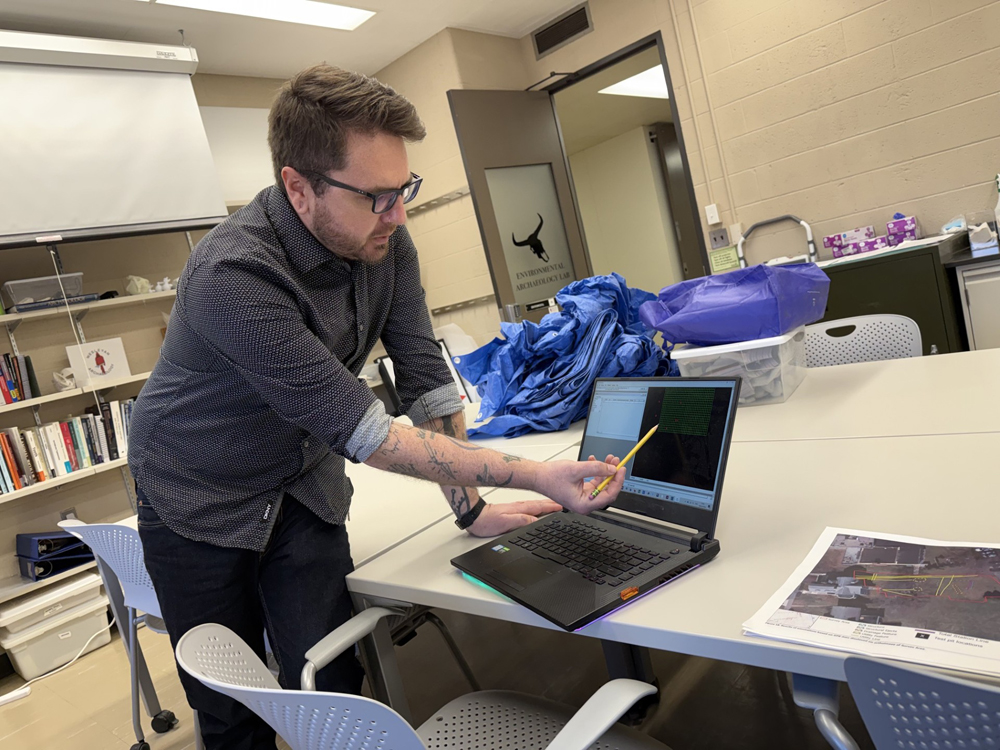
Aspiring to consolidate discoveries found over three years of CCP course-related research and programming, and to leverage expertise and resources at Wesleyan, we seek to formalize during this extension a first-ever collaboration between our History and Archaeology departments, the Center for the Study of Guns and Society, and the QAC to (literally) dig into the rich and hitherto untold stories surrounding campus. Using archaeological tools, visual history methods, GIS technology and quantitative analysis techniques to begin to understand the history, contributions and challenges of this area.
During the extension we will expand the pedagogical and collaborative public history work carried out in the initial phases of the grant to include archaeological survey and excavation of local sites connected to weapons manufacturing by advancing the new partnership with Wesleyan’s Archaeology faculty and collaborating with the Connecticut Office of State Archaeology.
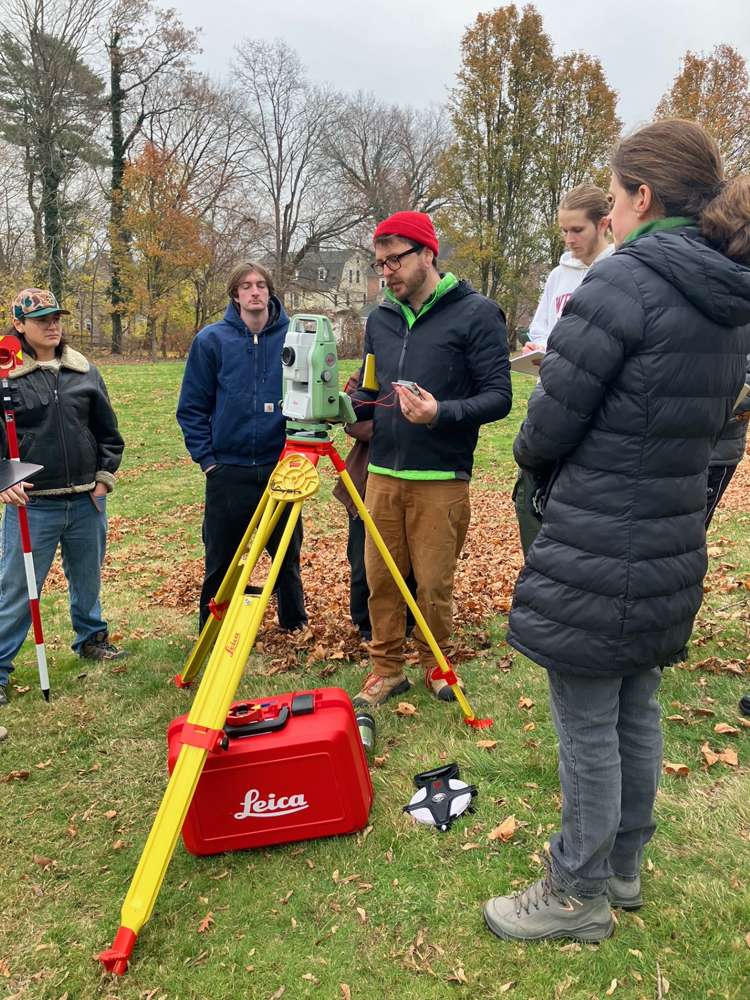
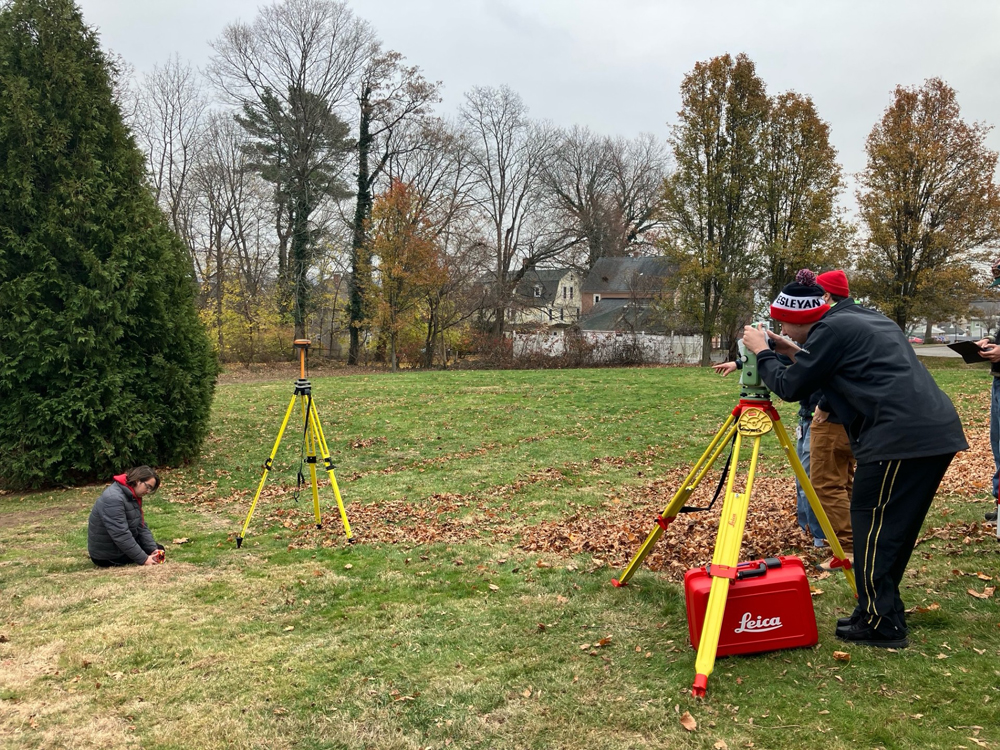
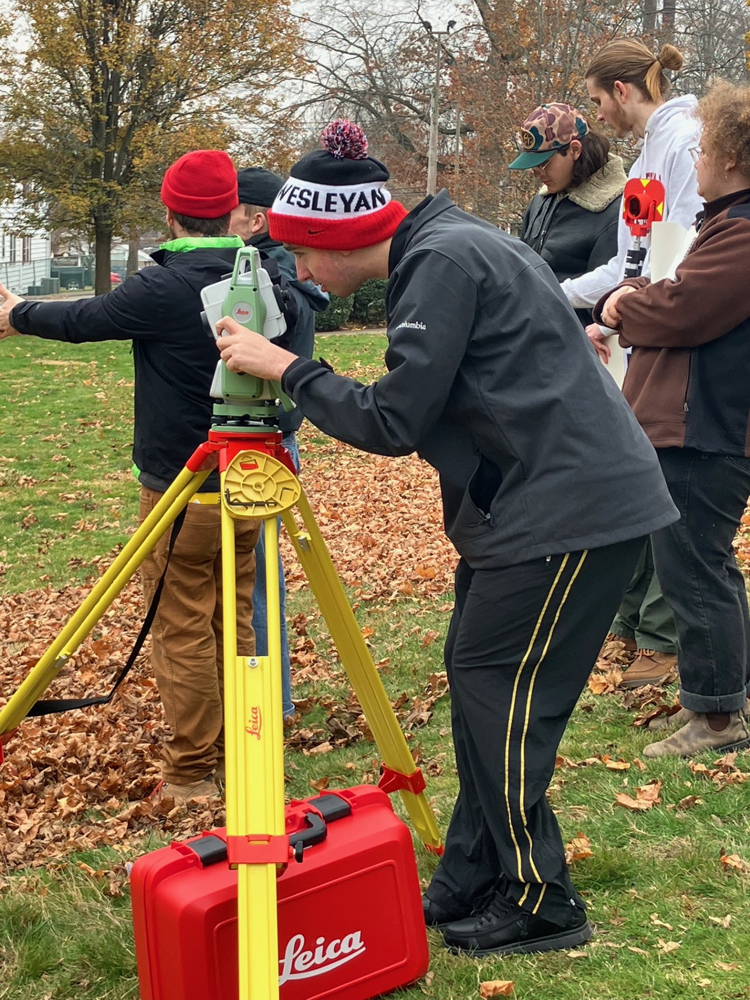
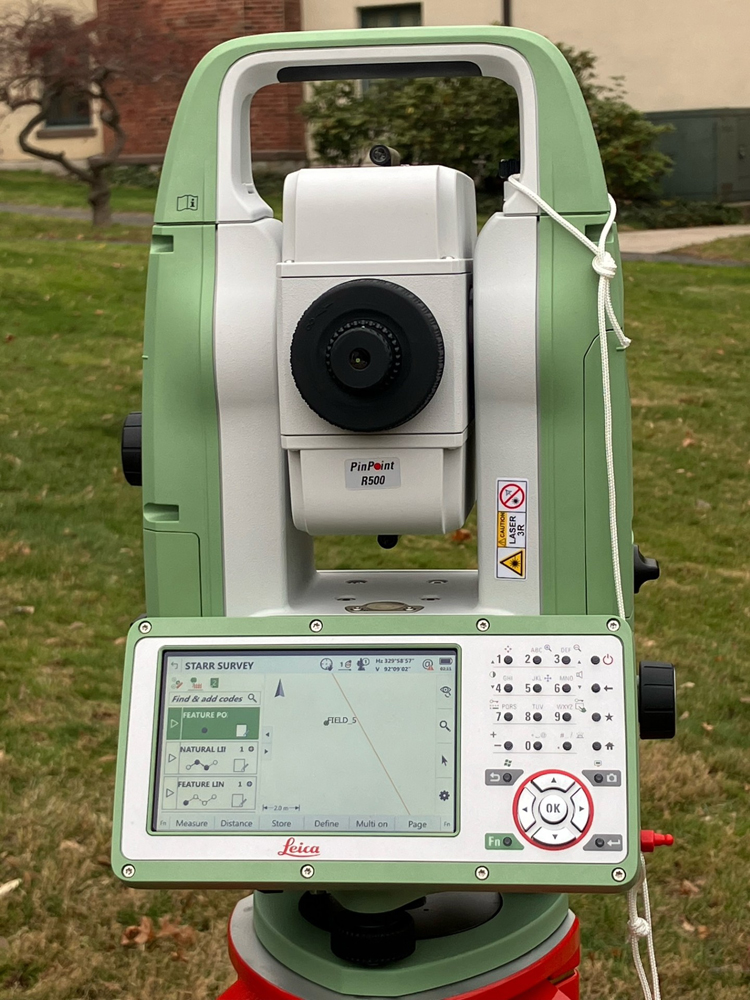
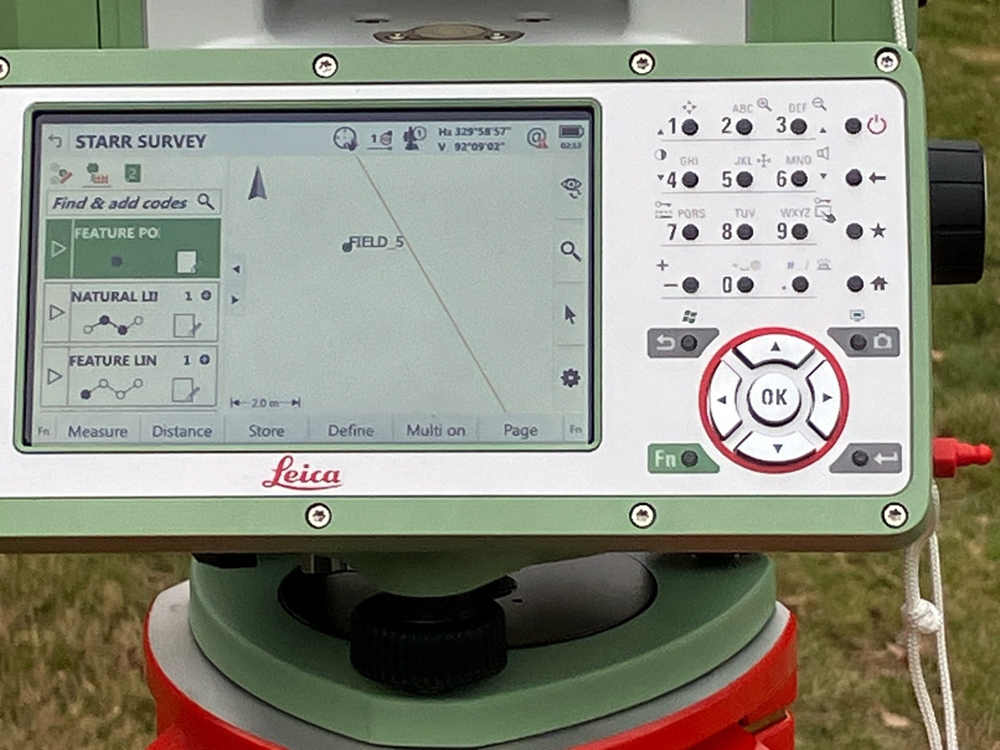
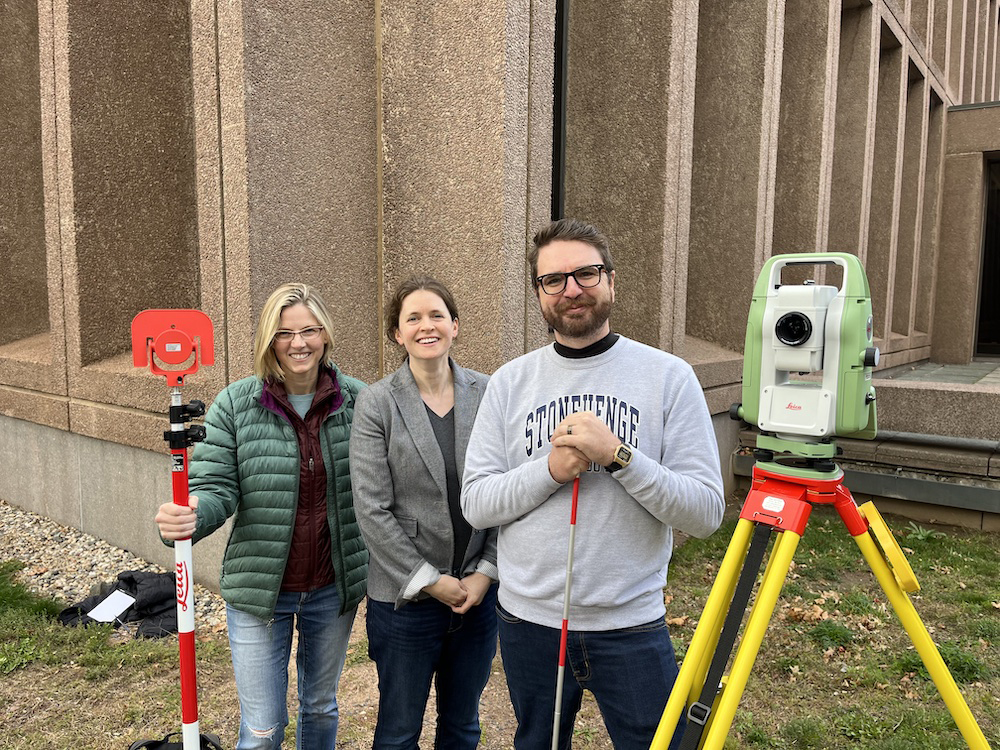
Stocking Gunpowder Mill, the Simeon North factory, or the Steckinet Mill site. Critical to this interdisciplinary humanities research is the acquisition of a “Total Station,” a portable device that will enable survey and high-resolution mapping during excavation as well as broaden the range and complexity of the GIS curriculum across Wesleyan’s campus. Through its use, students will acquire the theoretical and technical skills necessary to the full arc and expression of geospatial storytelling about the artifacts uncovered from Connecticut’s Revolutionary War and other eras for course-related and public-facing historical research.
Although Middletown, CT played important roles in both the Revolutionary war and industrialization, and despite important historical documentation and some preservation of sites and artifacts, there has not been significant archaeological excavation specifically focused on these historical processes and their carceral connections. Further, the archaeological work on these sites has not (to our knowledge) ever been carried out through the lens of race, violence, displacement, carceral connections, making our planned work unique.
Expanding the scope of the Carceral Connecticut Project to include a public-facing archaeological project will allow us to engage the unique strengths of Wesleyan’s Archaeology Program:
Wesleyan is the only undergraduate institution with an independent Archaeology major.
The Revolutionary war sites we are proposing to study are connected to weapons manufacturing. Wesleyan is one of the few institutions nationally with expertise in both the analysis of materials and an experimental archaeology lab (UConn and other schools have material science; experimental is rarer) – approaches key to reconstructing industrial practices.
Archaeology faculty have specific experience with archaeometallurgy and the archaeology of weapons technologies, and have relationships with local bladesmiths with whom we’ve already worked on historical sword reconstructions, casting technologies, chaîne opératoire, and the relationship of technology to fighting styles.
Image Gallery