

Findings
Middletown, CT was a bustling port city in the eighteenth and nineteenth century. This meant easy access to trade goods—including tobacco and European pipes.
These fragile clay pipes broke easily, leading to little white clay fragments littering the street like modern-day cigarette butts.
Tobacco smoking caught on quickly, and it soon became a significant part of social rituals, business, and personal, domestic life.
When tobacco was brought to Europe in the sixteenth century, it was hailed as a panacea. By the eighteenth century, it had become clear that smoking tobacco had quite the opposite effect.
Before Europeans, Indigenous people, including the Wangunks, had already been using tobacco for over a thousand years. They already were using pipes to smoke tobacco, and it was a key plant in trade, alliances, ritual, and recreation.
Project Gallery
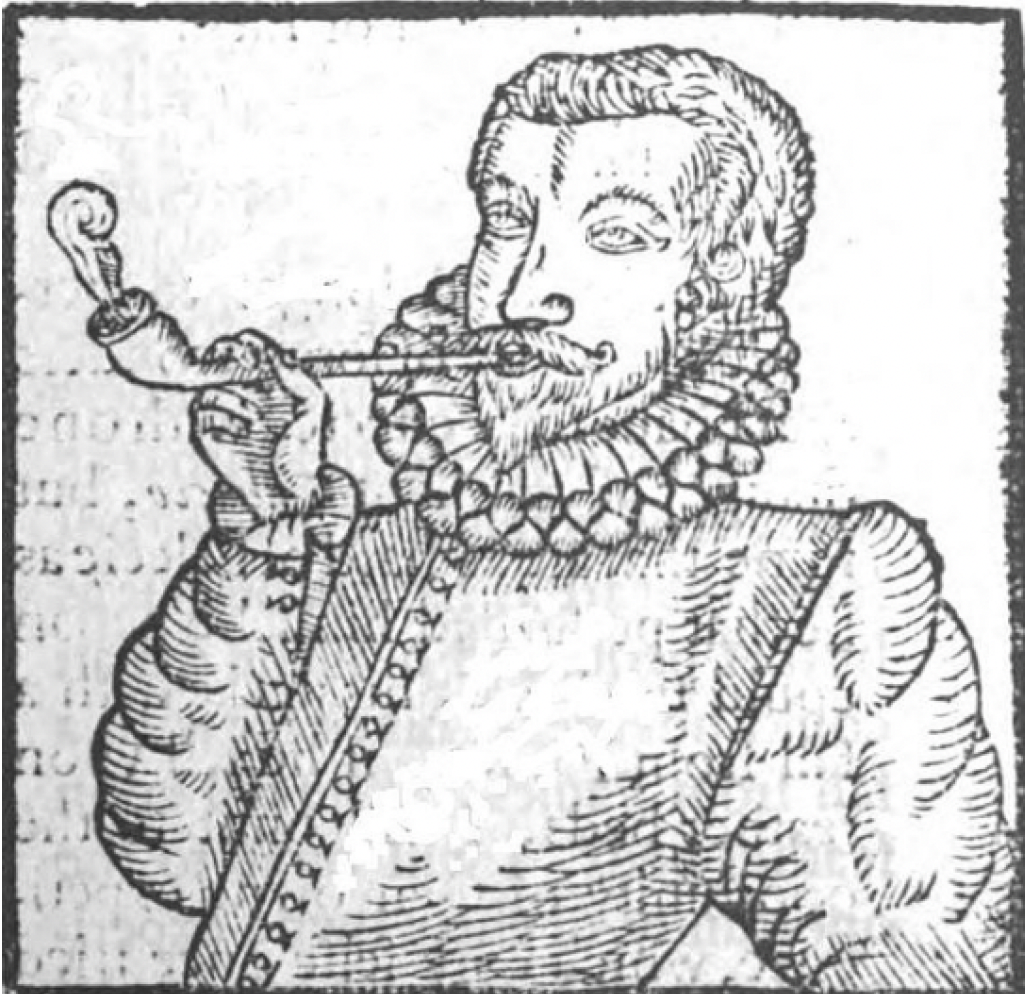
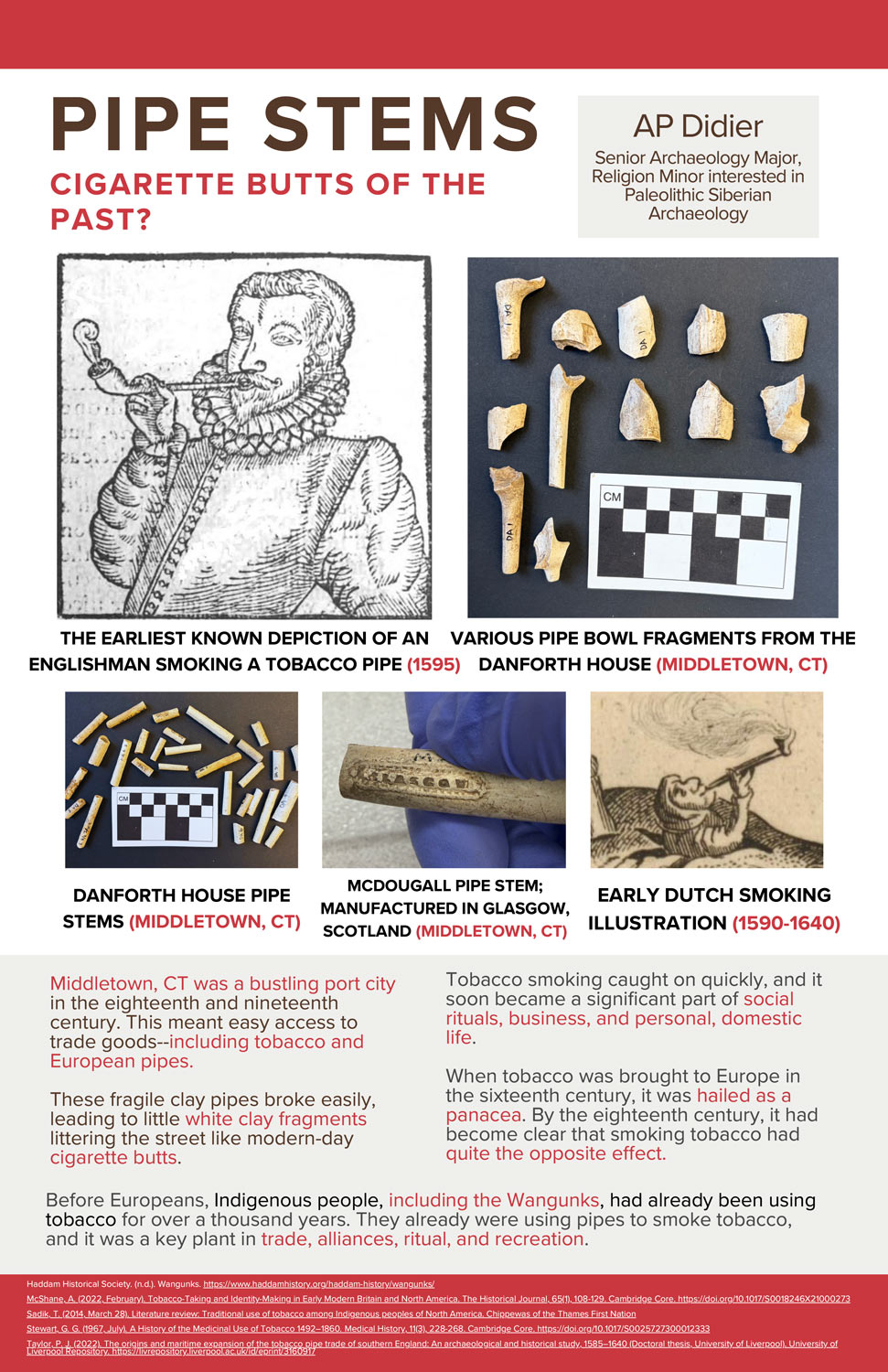
The earliest known depiction of an Englishman smoking a tobacco pipe (1595)

Various pipe bowl fragments from the Danforth House (Middletown, CT)

Danforth House pipe stems (Middletown, CT)
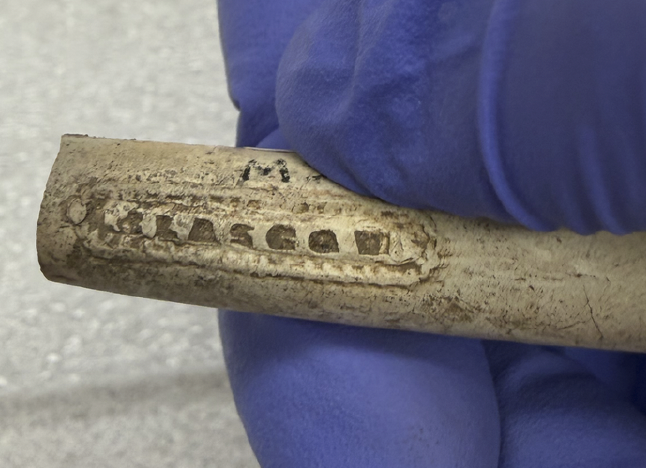
McDougall pipe stem; manufactured in Glasgow, Scotland (Middletown, CT)
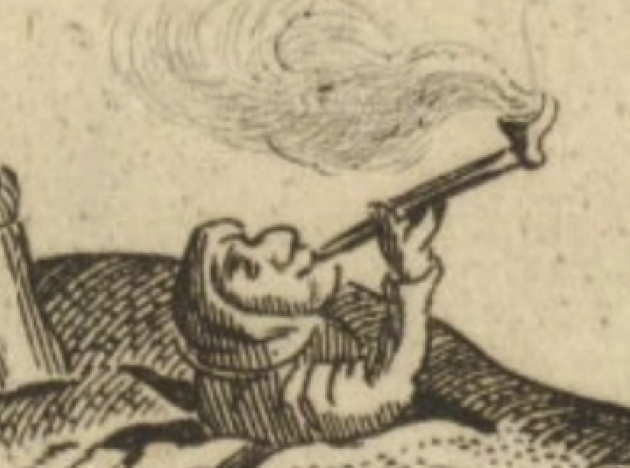
Early Dutch smoking illustration (1590–1640)