

Findings
Historical Context
The scientific study of medicine became increasingly popular during the 18th and 19th centuries, revealing much about both the science-based efforts for treatment. However, alternative methods, known as patent medicines, were also growing at the same time (e.g. homeopathic). Patent medicines were known for their affordability and well-advertised “cure in a bottle” strategies to treat illnesses like indigestion, excessive fatigue, and for destroying infections post-surgery.
Connecticut, specifically Middletown, were large participants in patent medicine practices. While there were a variety of well-known druggists in and around Middletown including in the Beman Triangle (Henry Woodward), there was still a growing interest in patent-based medicines from residents. The three medicinal bottles shown above from Chicago, New York, and Brooklyn were likely transported to Middletown through maritime shipping and rail lines.
Medicinal Bottles
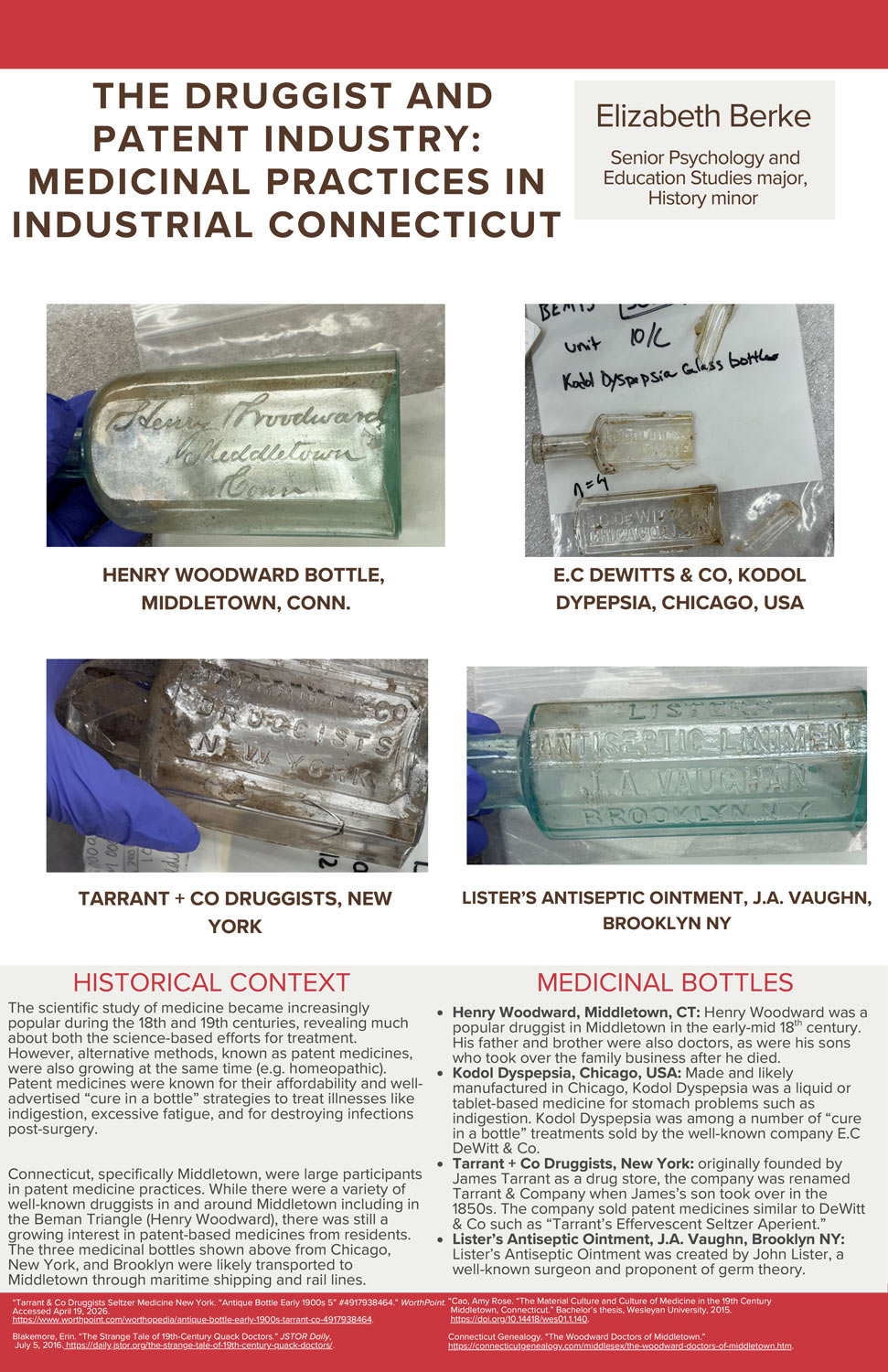
- Henry Woodward, Middletown, CT: Henry Woodward was a popular druggist in Middletown in the early-mid 18th century. His father and brother were also doctors, as were his sons who took over the family business after he died.
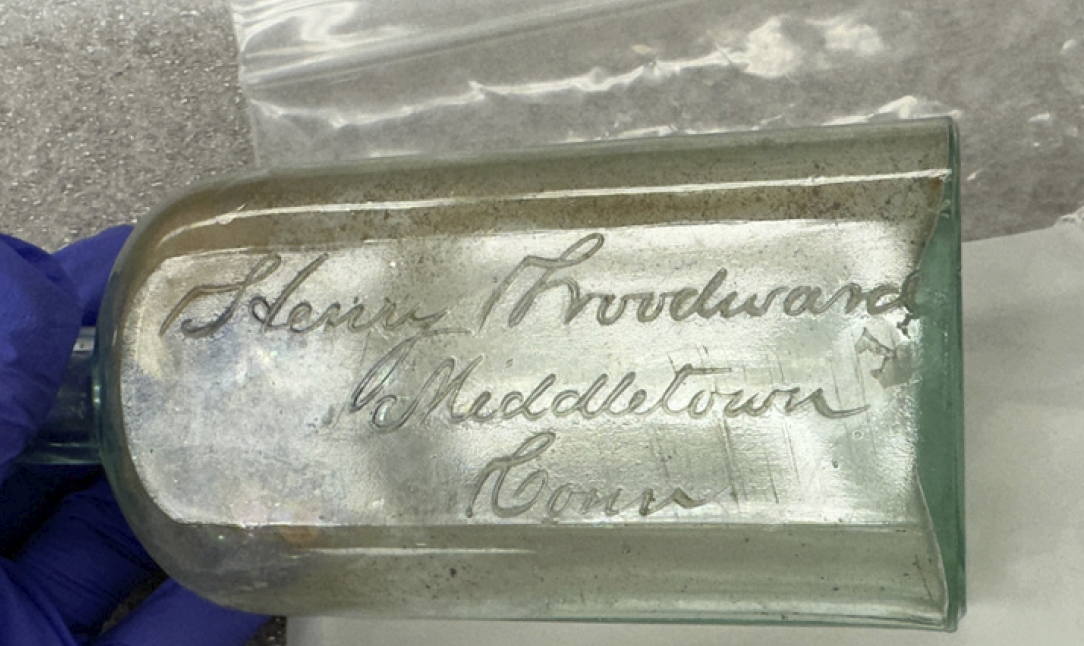
- Kodol Dyspepsia, Chicago, USA: Made and likely manufactured in Chicago, Kodol Dyspepsia was a liquid or tablet-based medicine for stomach problems such as indigestion. Kodol Dyspepsia was among a number of “cure in a bottle” treatments sold by the well-known company E.C DeWitt & Co.
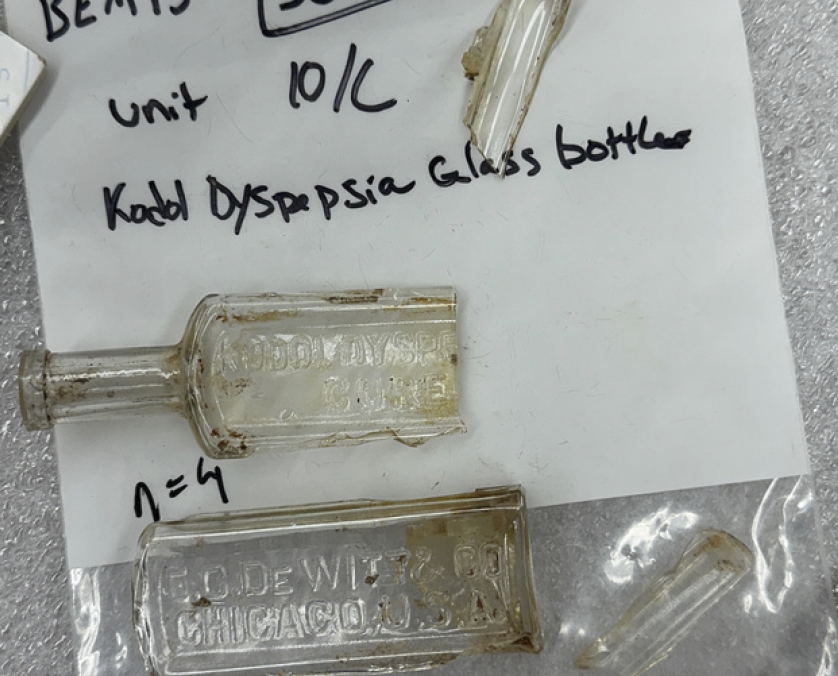
- Tarrant + Co Druggists, New York: originally founded by James Tarrant as a drug store, the company was renamed Tarrant & Company when James’s son took over in the 1850s. The company sold patent medicines similar to DeWitt & Co such as “Tarrant’s Effervescent Seltzer Aperient.”
- Lister’s Antiseptic Ointment, J.A. Vaughn, Brooklyn NY: Lister’s Antiseptic Ointment was created by John Lister, a well-known surgeon and proponent of germ theory.
Project Gallery
Henry Woodward Bottle, Middletown, Conn.
E.C DeWitts & Co, Kodol Dyspepsia, Chicago, USA
Tarrant + Co Druggists, New York
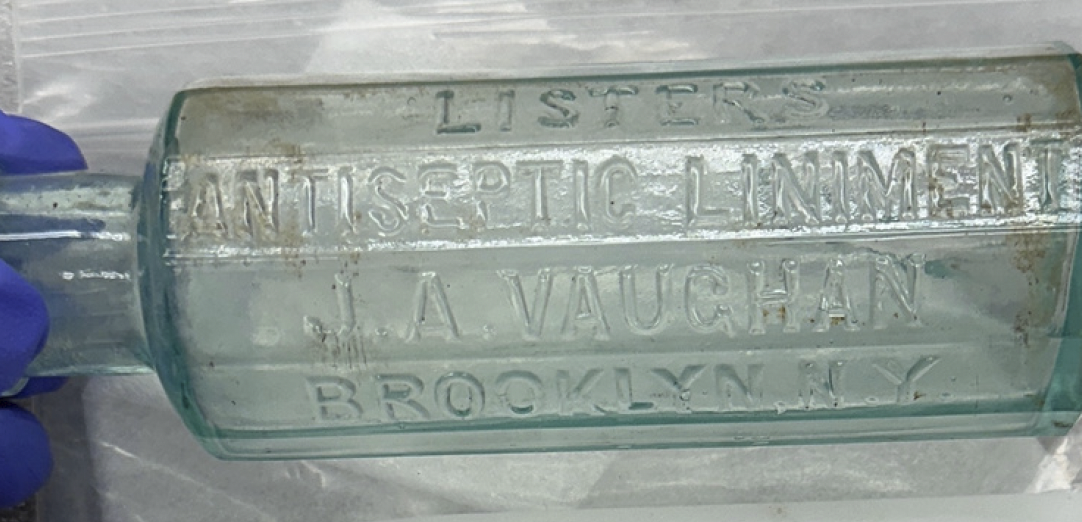
Lister's Antiseptic Ointment, J.A. Vaughn, Brooklyn NY