

Findings
Chronology of Gravestone Decoration
- Death’s Head: Popular in the 17th and early 18th centuries, this was a somber representation of mortality.
- Winged Cherub: Popular in the 18th century and frequently found decorating Washington Street graves, this reflects a softened attitude around death. This symbol reinforces resurrection in heaven.
- Willow and Urn: Popular in the 19th century, this follows a slight secularization in memorial practices. Graves became less extravagant, featuring simpler design and shapes.
Washington St. Discrimination
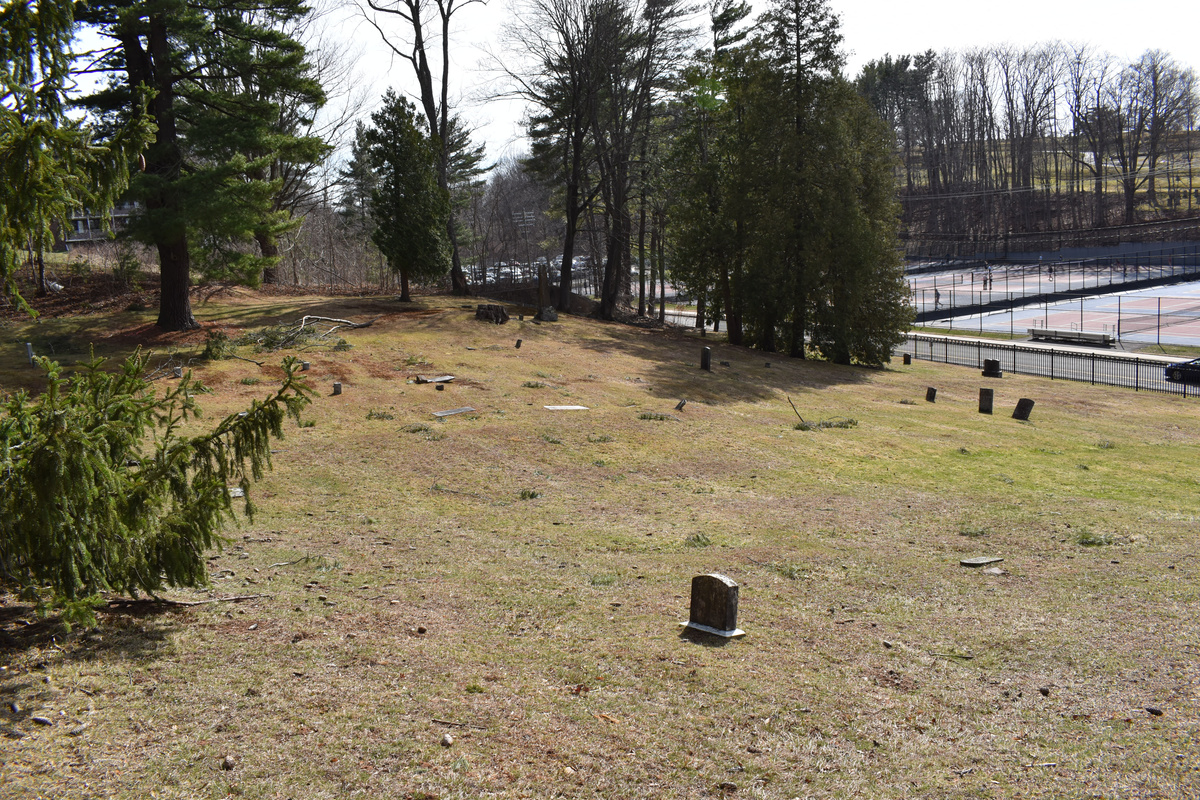
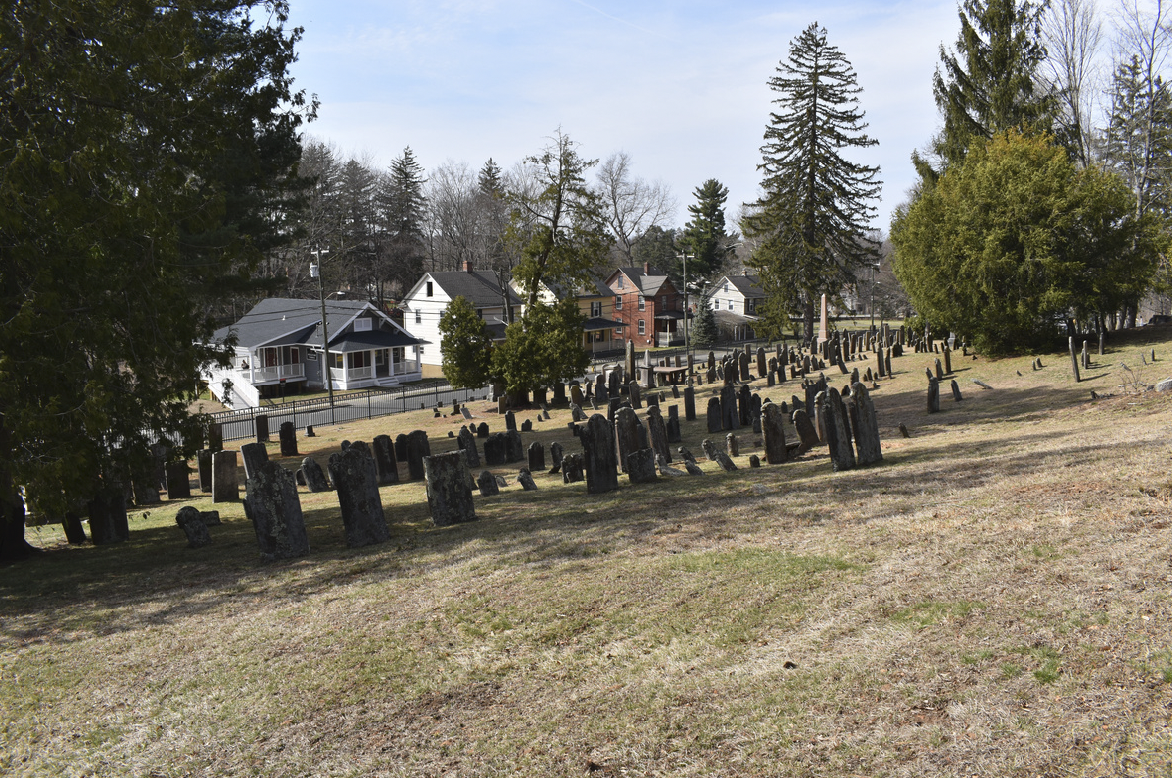
African American graves in the Washington Street Cemetery are generally less decorated than their white counterparts. Though probably due to the decline in decor trends, a disparity in access to stonemasonry cannot be ruled out. Other than their lack of decoration, there is not much that differentiates in epitaph. The most prominent difference between white and Black burials in Washington Street Cemetery is the spatial patterns and the amount of graves. While the white designated area is larger and crowded with graves that remain standing for the most part, the African American plot is relatively bare with smaller graves laying flat in the ground.
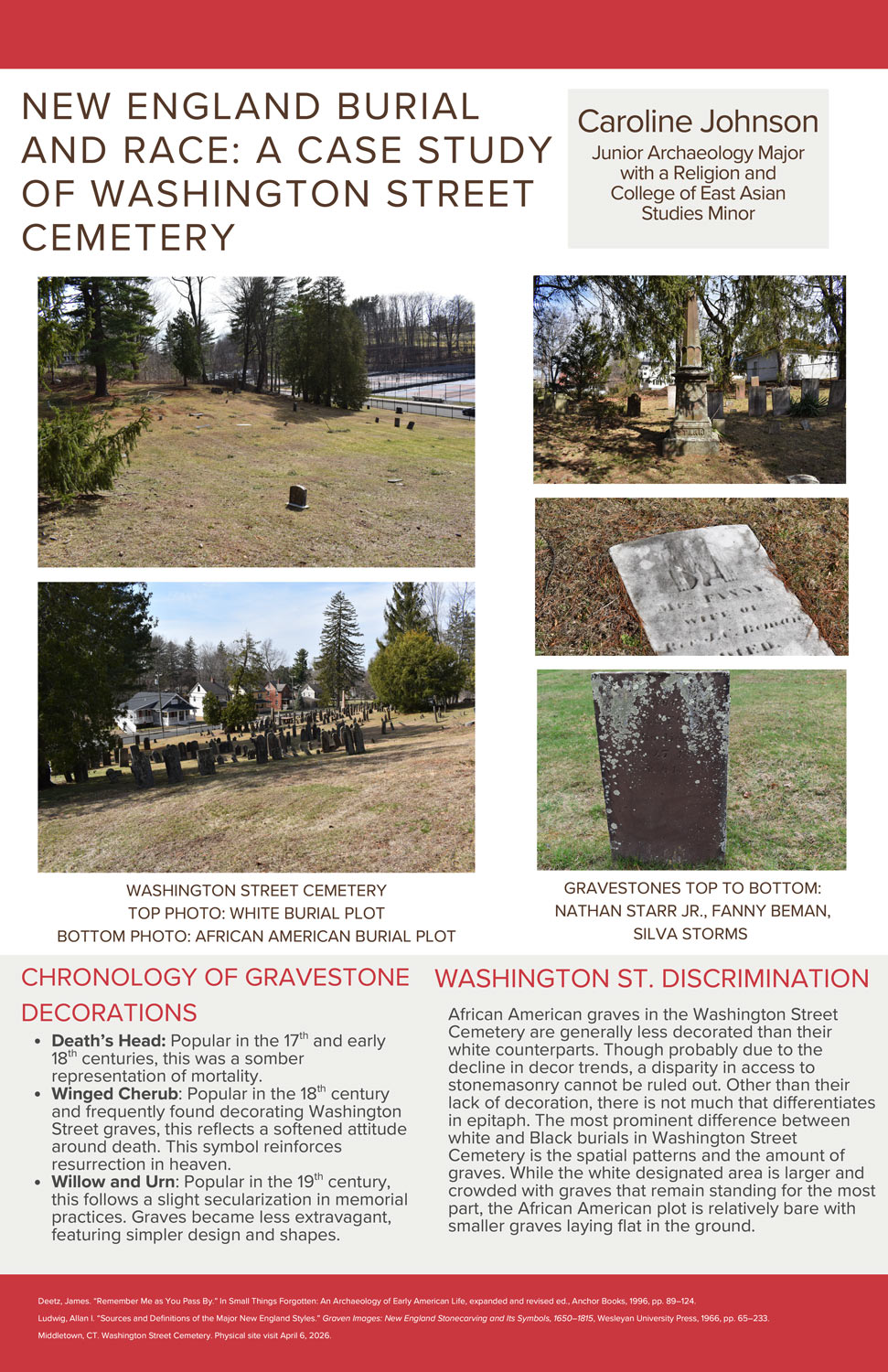
Project Gallery
Washington Street Cemetery White burial plot
Washington Street Cemetery African American burial plot
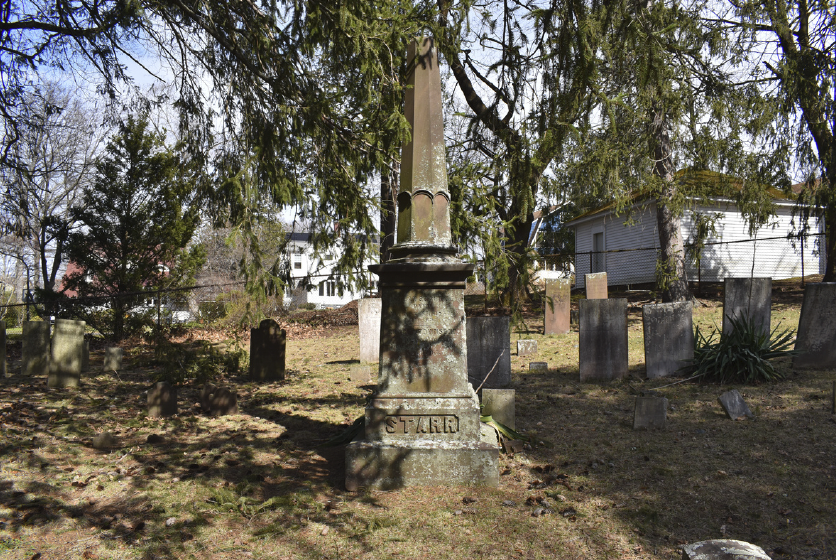
Gravestone of Nathan Starr Jr
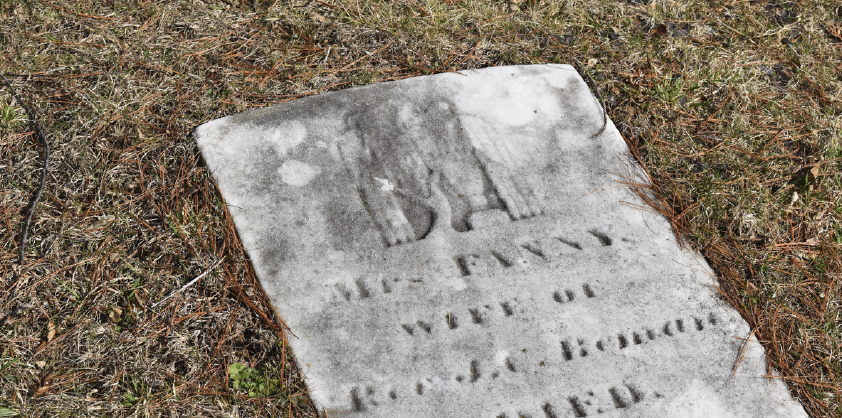
Gravestone of Fanny Beman

Gravestone of Silva Storms